Concept AI Content Credits
AI Content Credit
An AI Content Credit is a unit of usage in Quratic for generative AI features such as Content Studio drafts, chat…
Plain-English, citable definitions for the vocabulary of AI search — GEO, AEO, AI visibility, and answer engines. Every term carries how it behaves across Asia-Pacific markets, measured with Quratic's residential-IP collection network in Singapore, Japan, Korea, Malaysia, Indonesia, Hong Kong, Taiwan, Thailand, and Australia.
An AI Content Credit is a unit of usage in Quratic for generative AI features such as Content Studio drafts, chat…
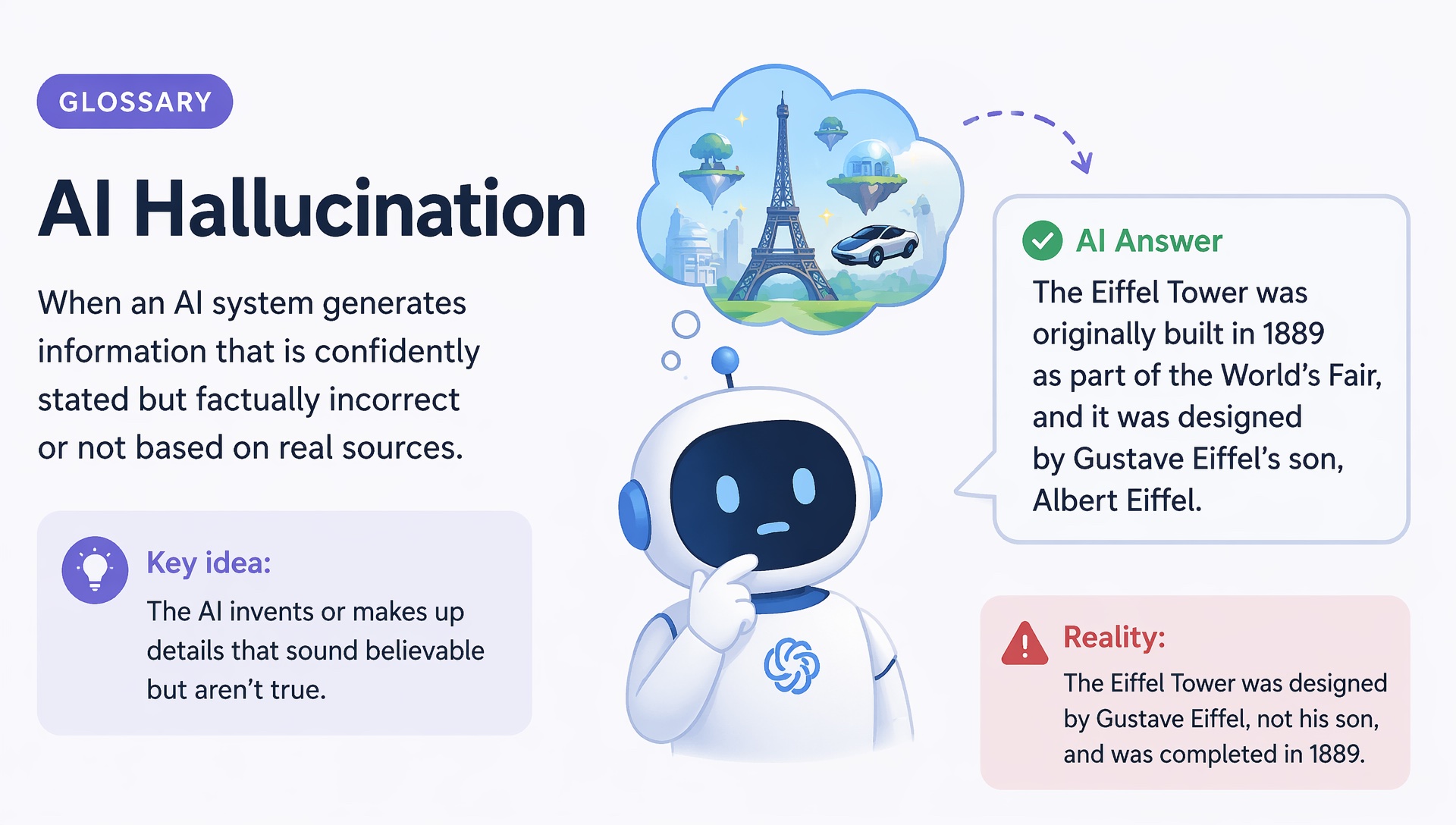
An AI hallucination is when a language model states a false or unverifiable claim with high confidence — inventing…
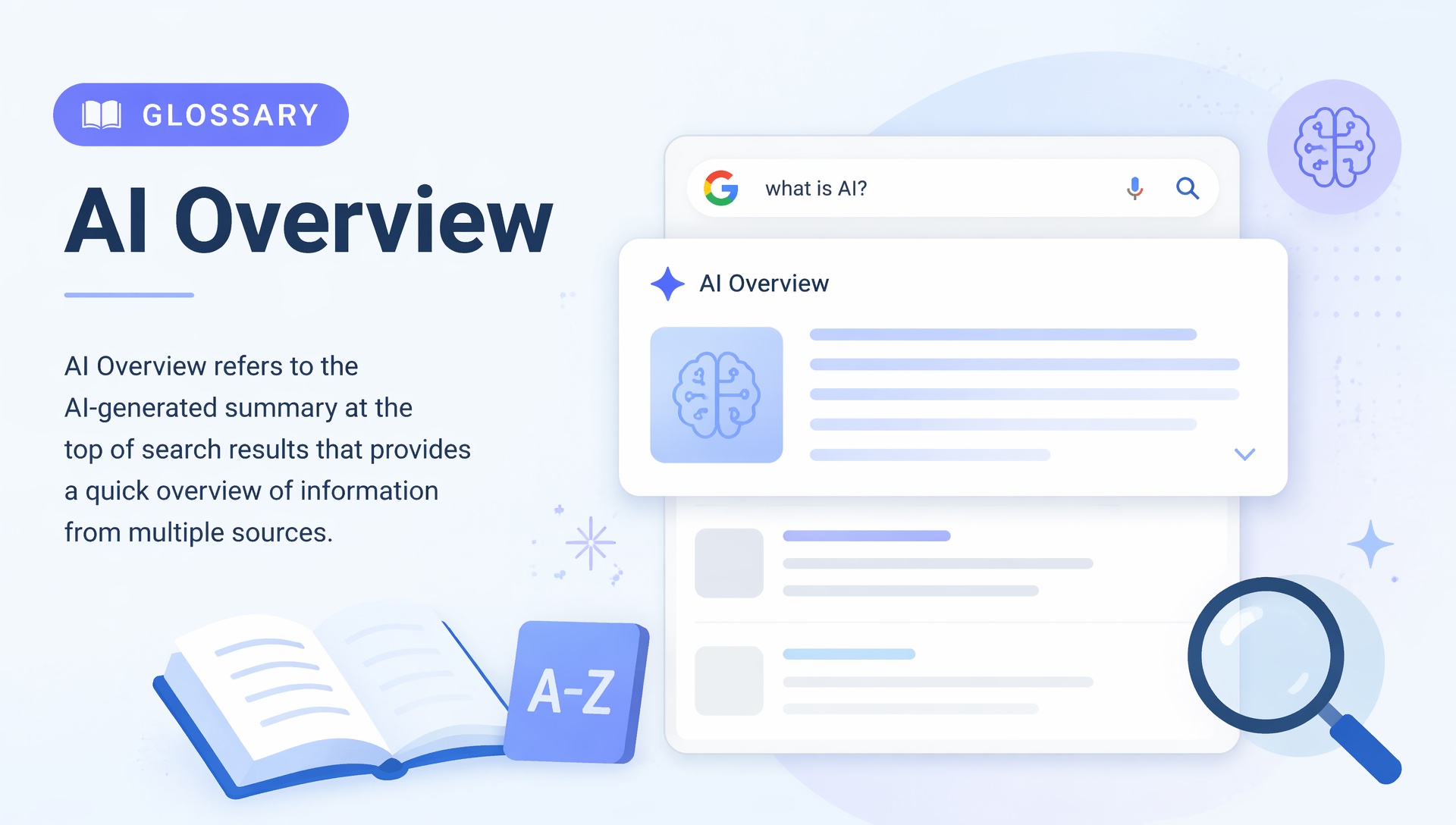
An AI Overview is a Google Search feature that displays an AI-generated summary above traditional organic results,…
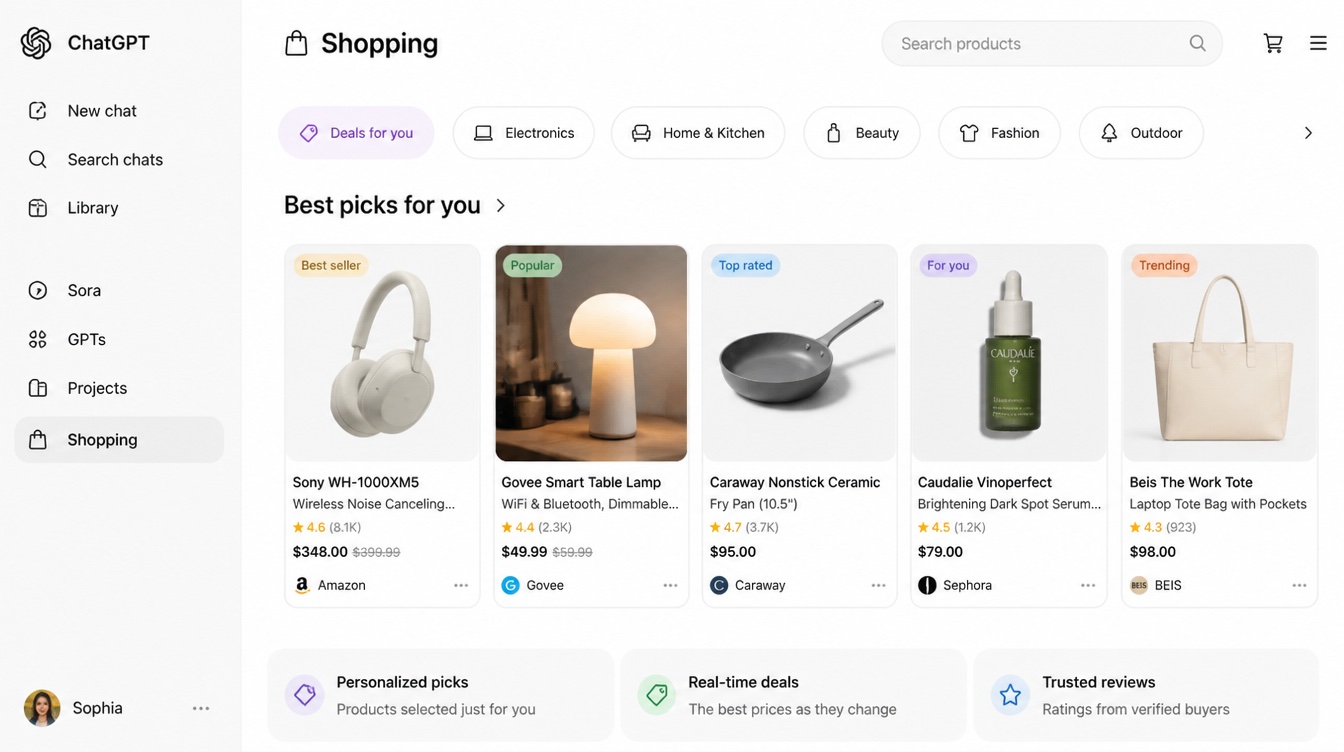
AI product mentions are structured product cards extracted from shopping-style AI answers — titles, prices, sellers,…
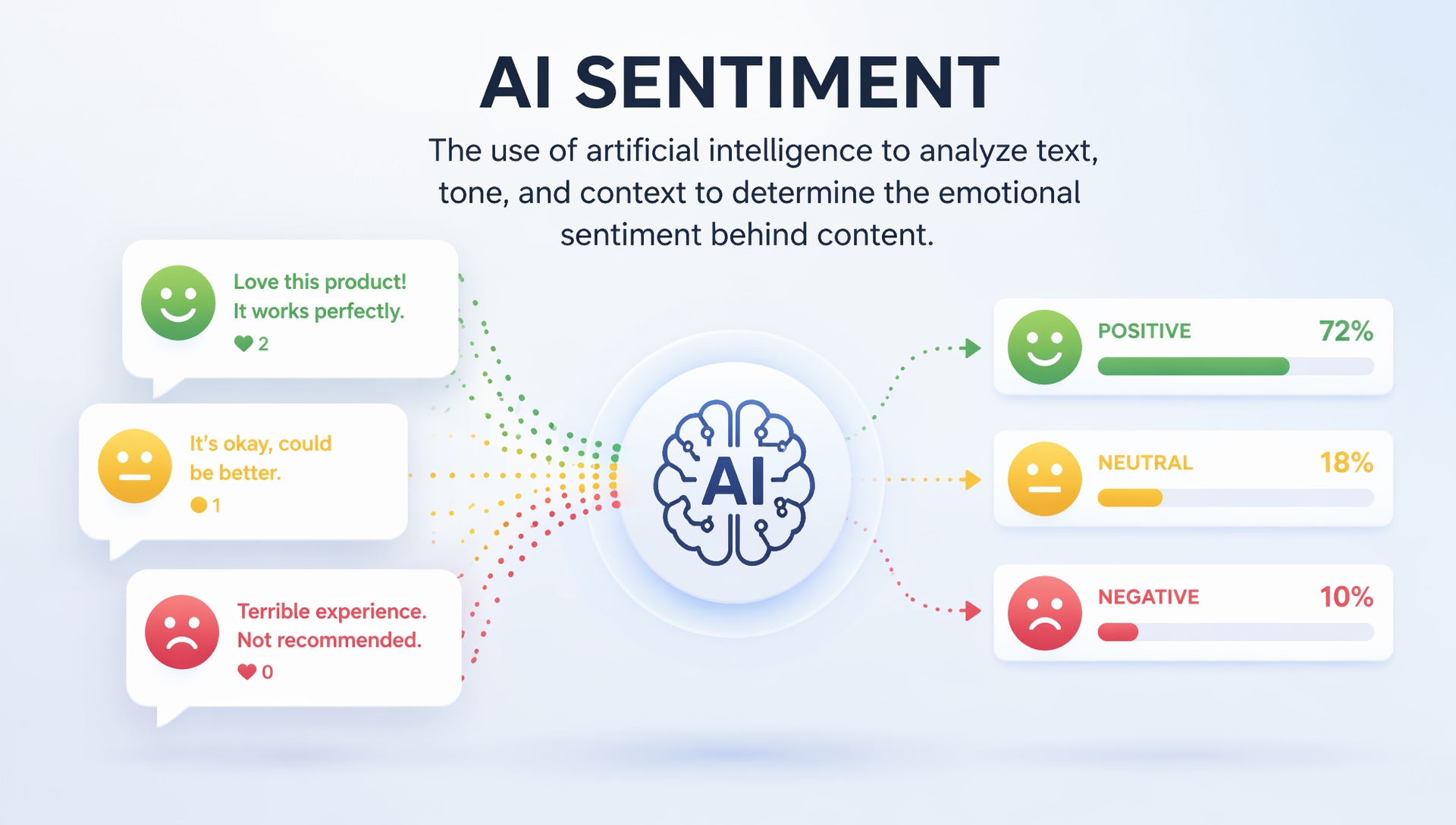
AI sentiment is how positively, neutrally, or negatively a brand is described inside AI-generated answers — tone,…
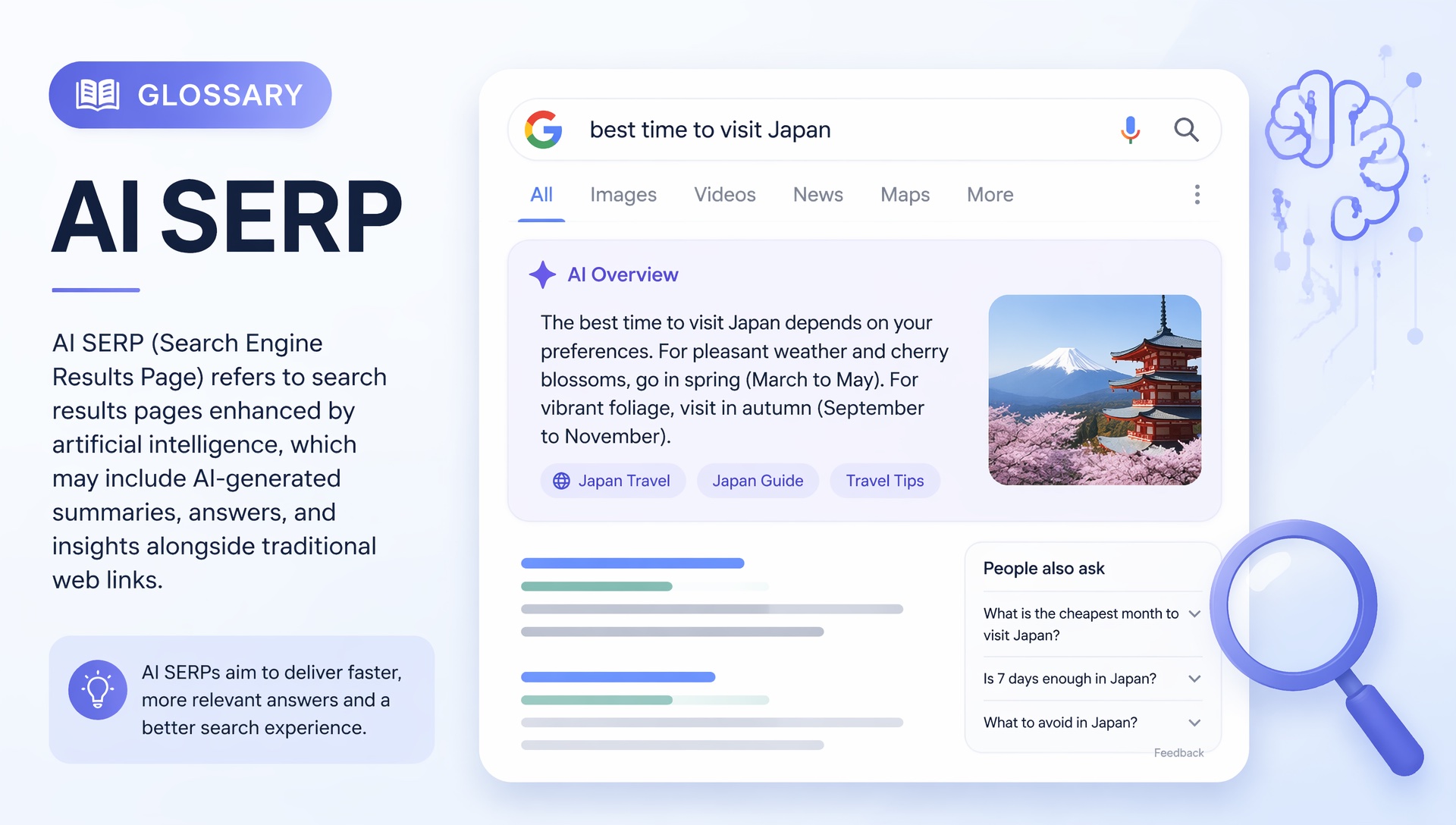
An AI SERP is a search results experience where generative AI components — summaries, follow-up prompts, cited sources…
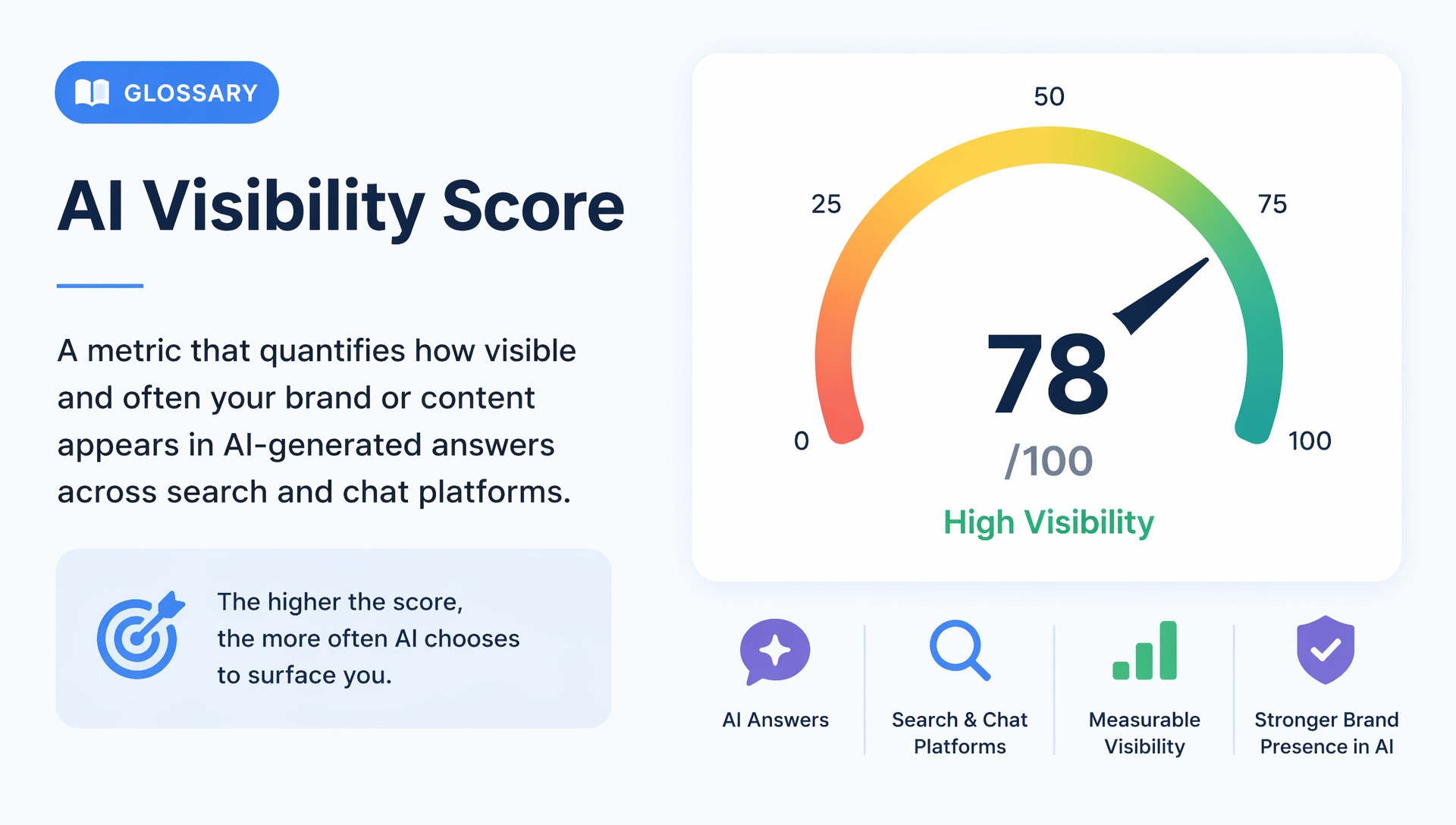
An AI Visibility Score is a single 0–100 measure of how present a brand is in AI-generated answers, combining how often…
Anchor text is the visible, clickable text of a hyperlink. Search engines use it as a relevance signal for the target…
An answer block is a short, self-contained passage — typically 40–60 words — placed immediately after a question-style…
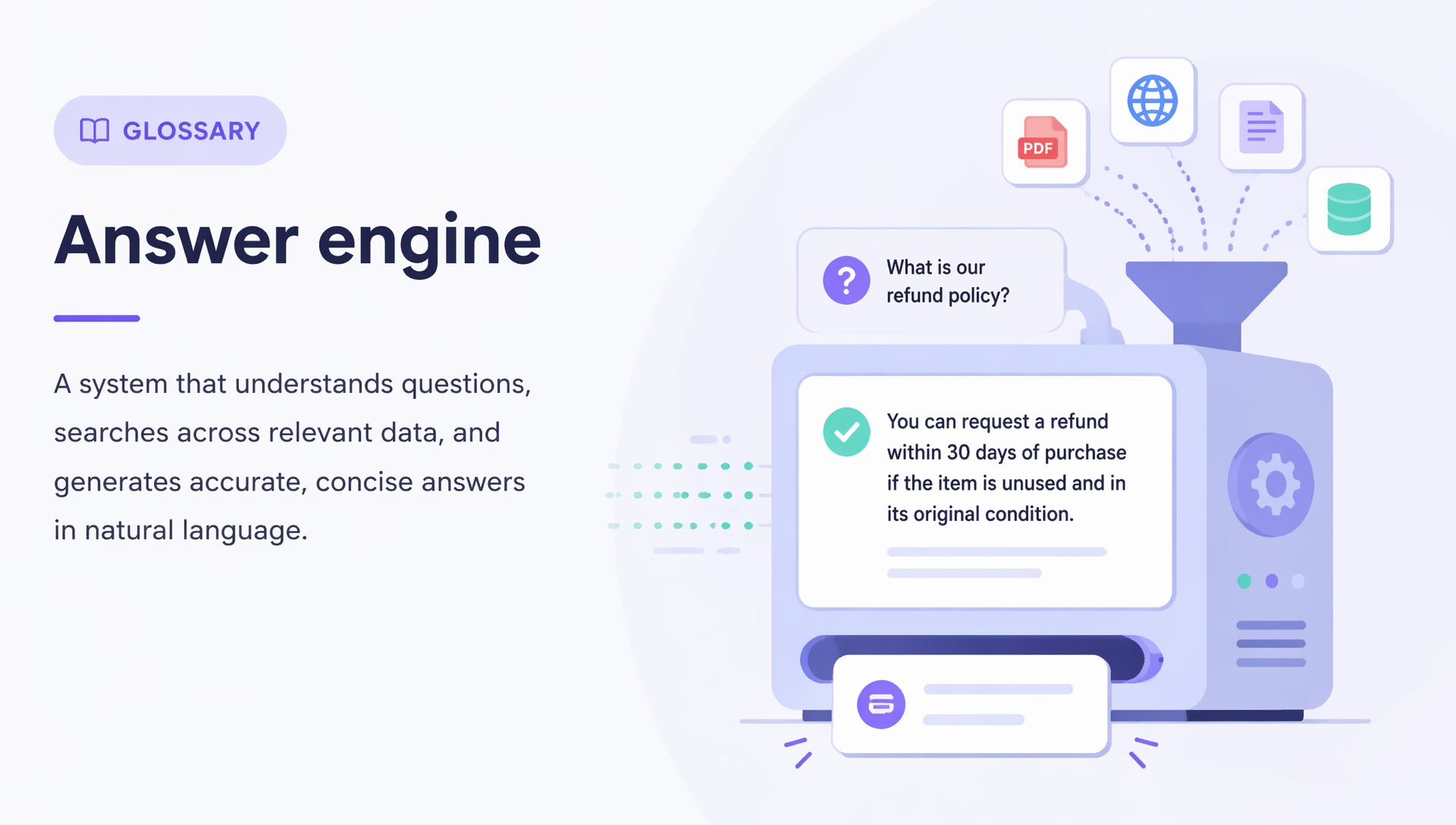
An answer engine is any system that responds to an information need with a direct, synthesized answer rather than only…
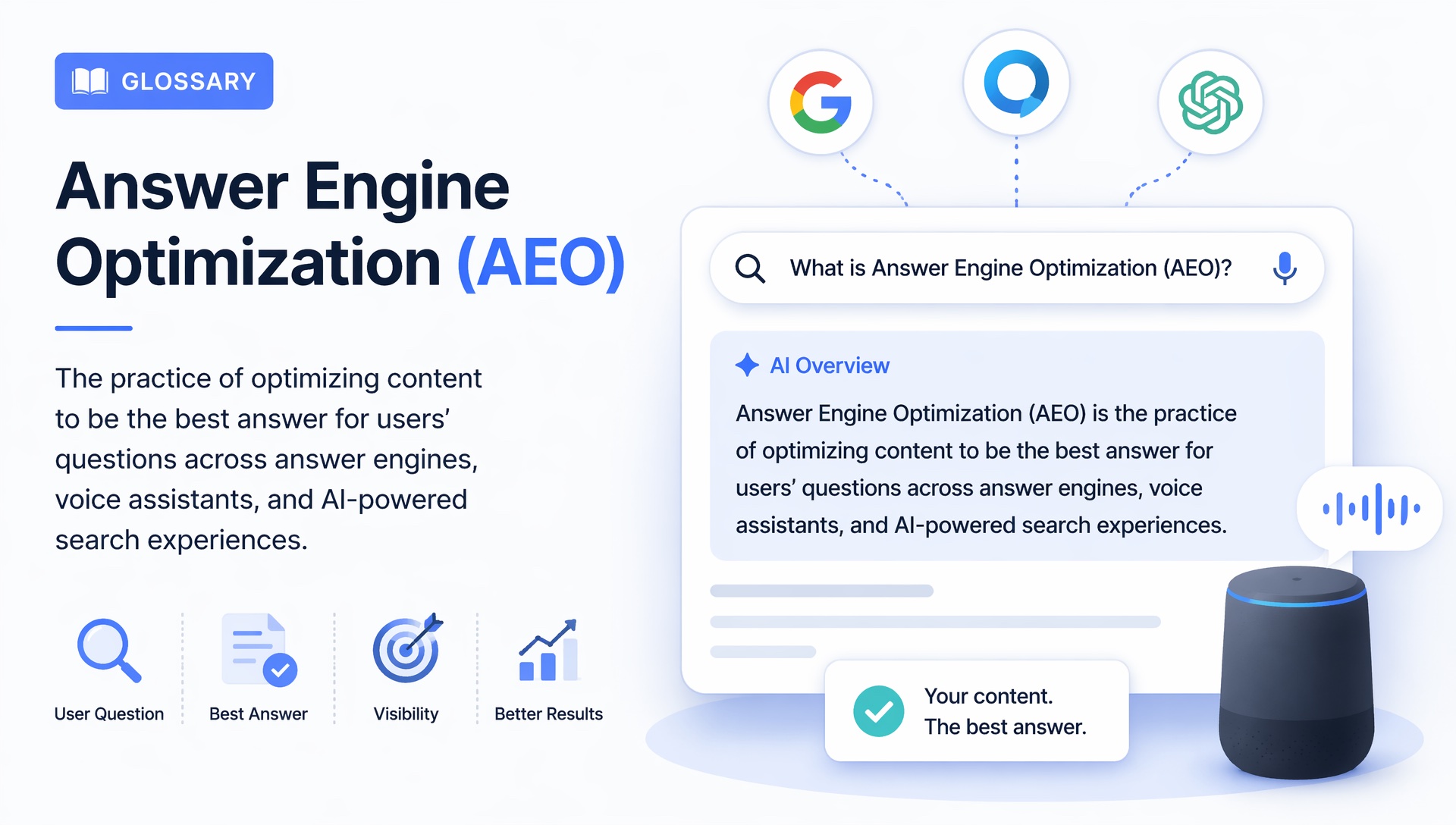
Answer Engine Optimization (AEO) is the page-level discipline of formatting content so answer engines can extract a…
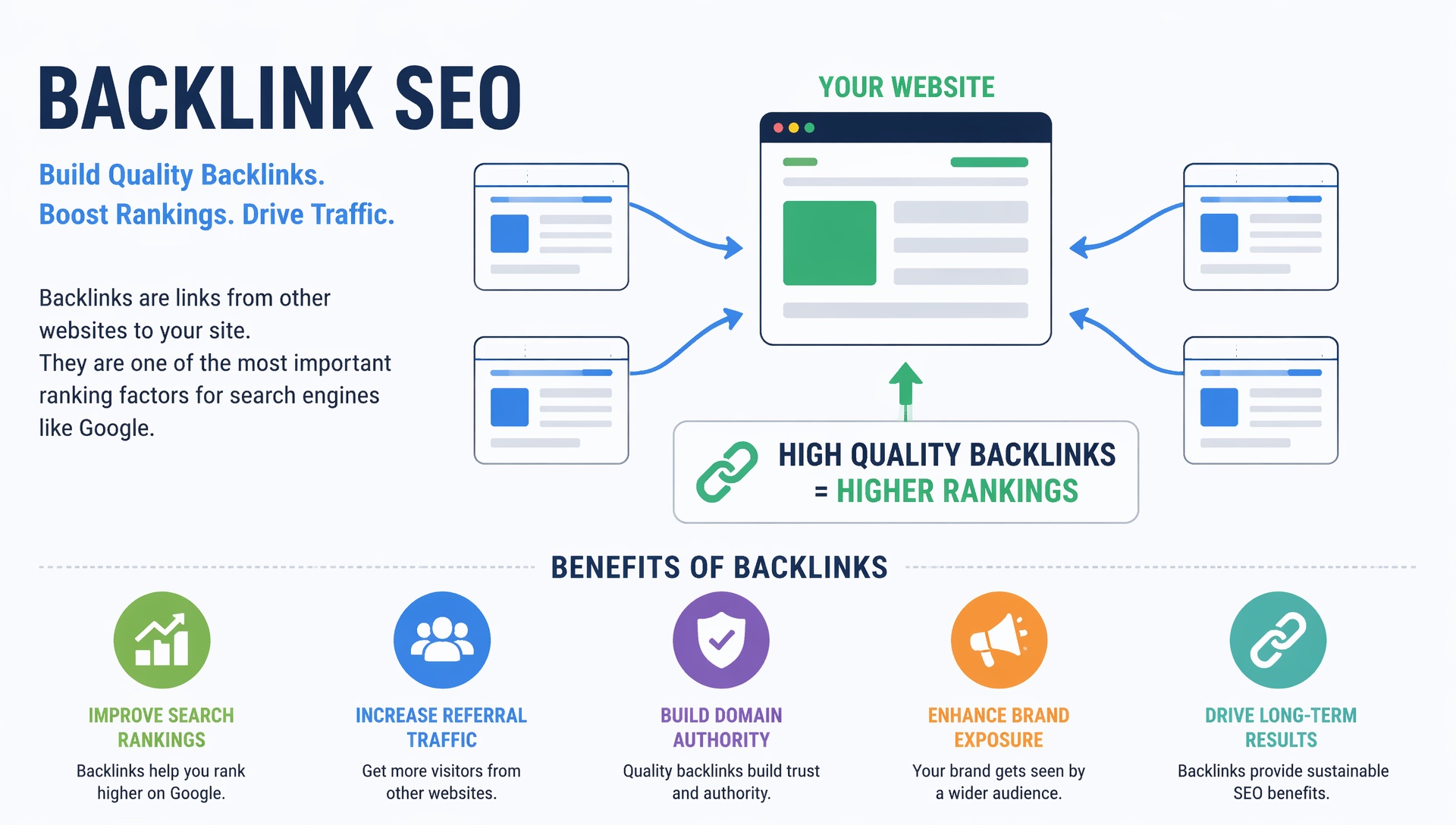
A backlink is an inbound hyperlink from another domain to your site. Search engines treat editorial backlinks as votes…
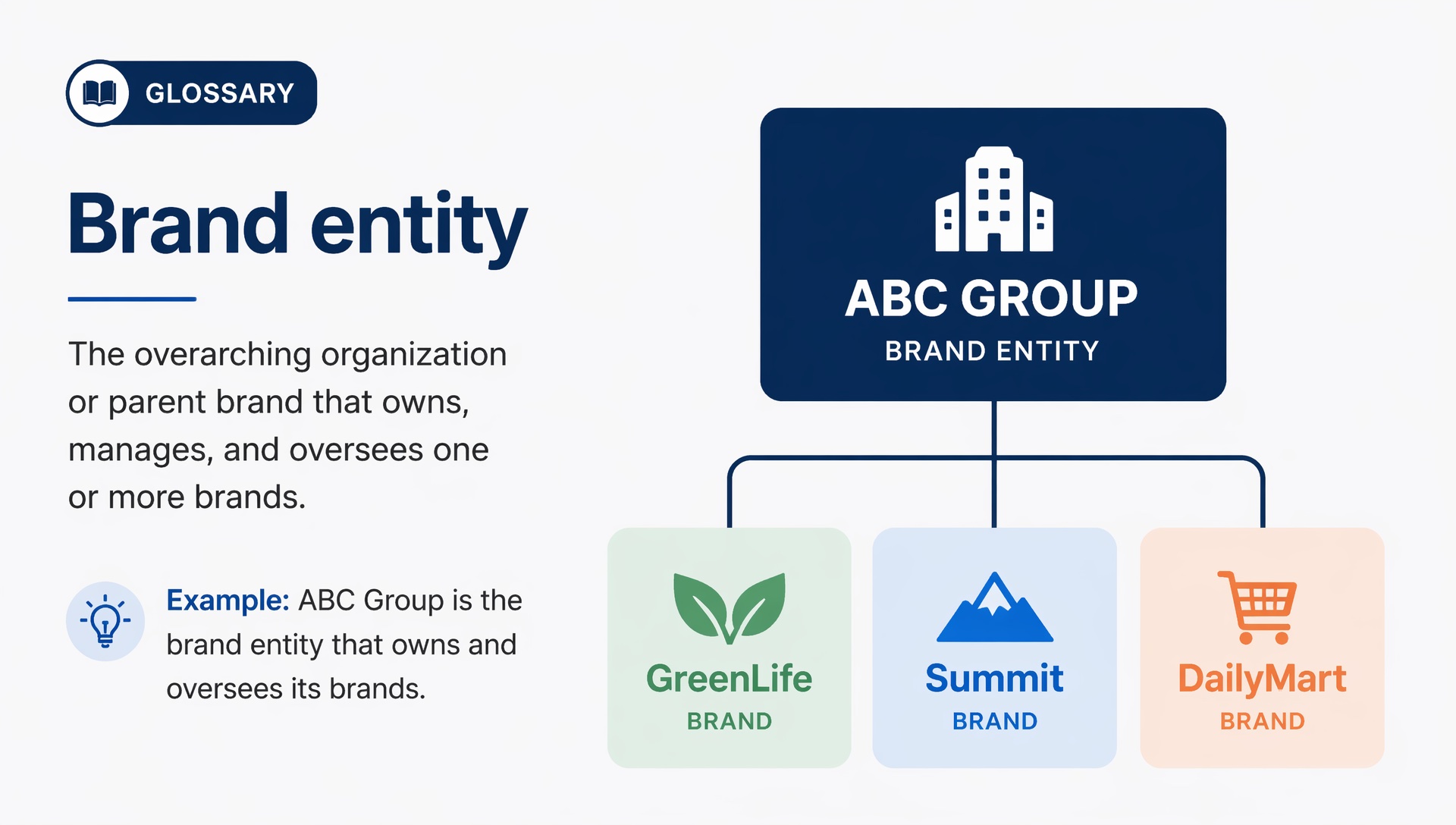
A brand entity is a machine-resolvable representation of a company or product — name, type, identifiers, and sameAs…
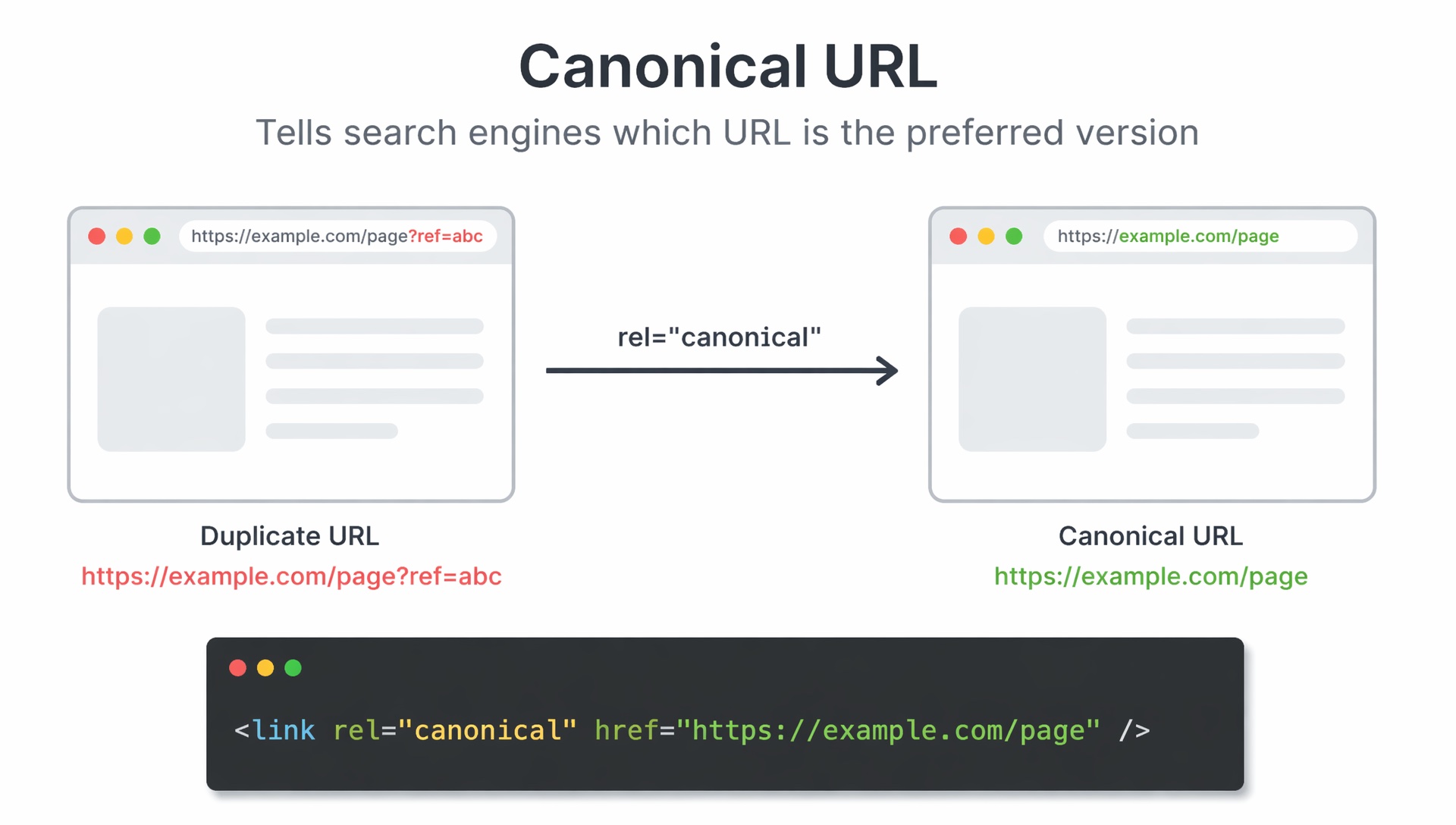
A canonical URL is the preferred version of a page declared with rel="canonical" when duplicate or near-duplicate URLs…
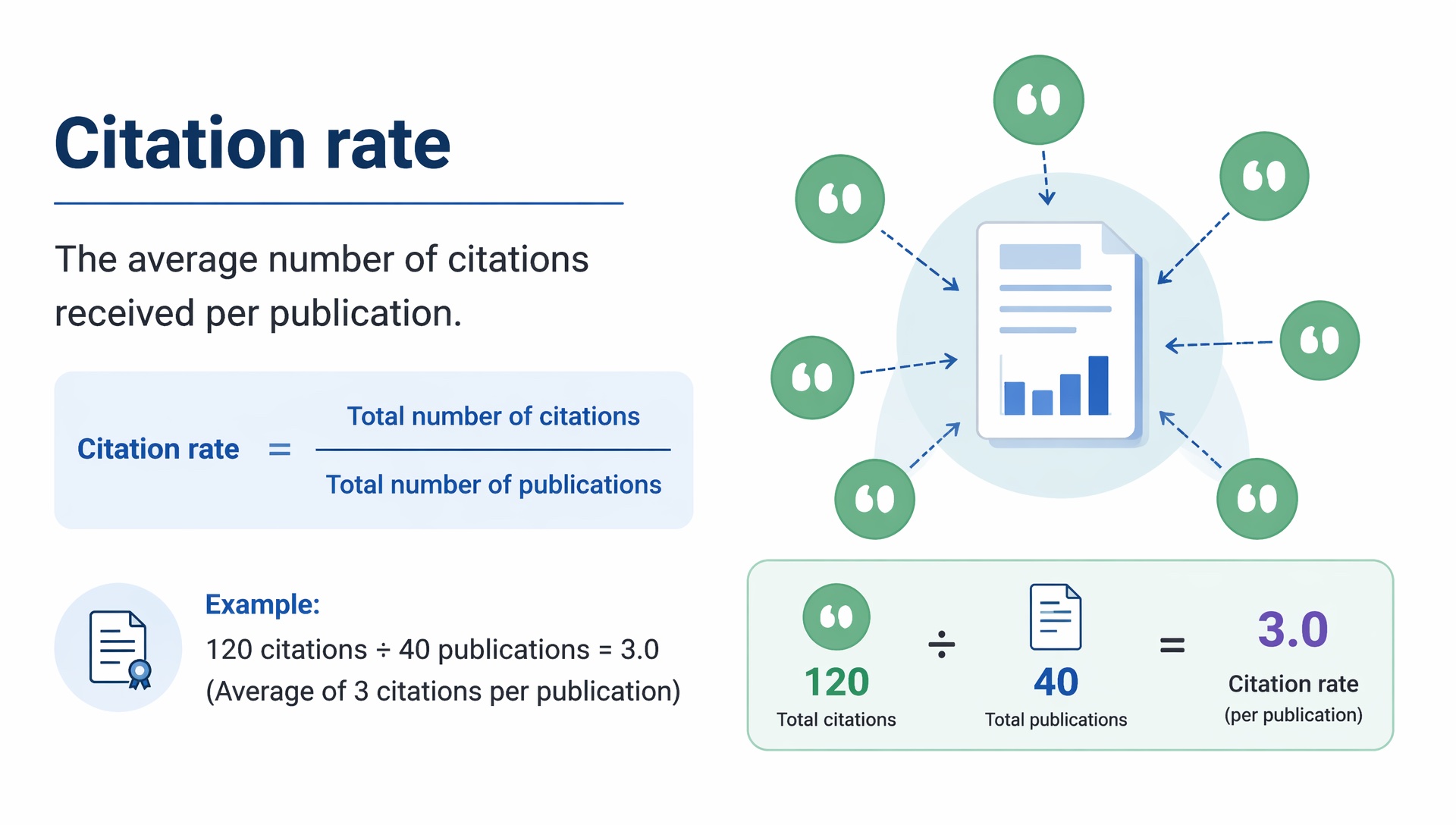
Citation rate is the percentage of tracked AI answers that include a link or attributed reference to a domain you…
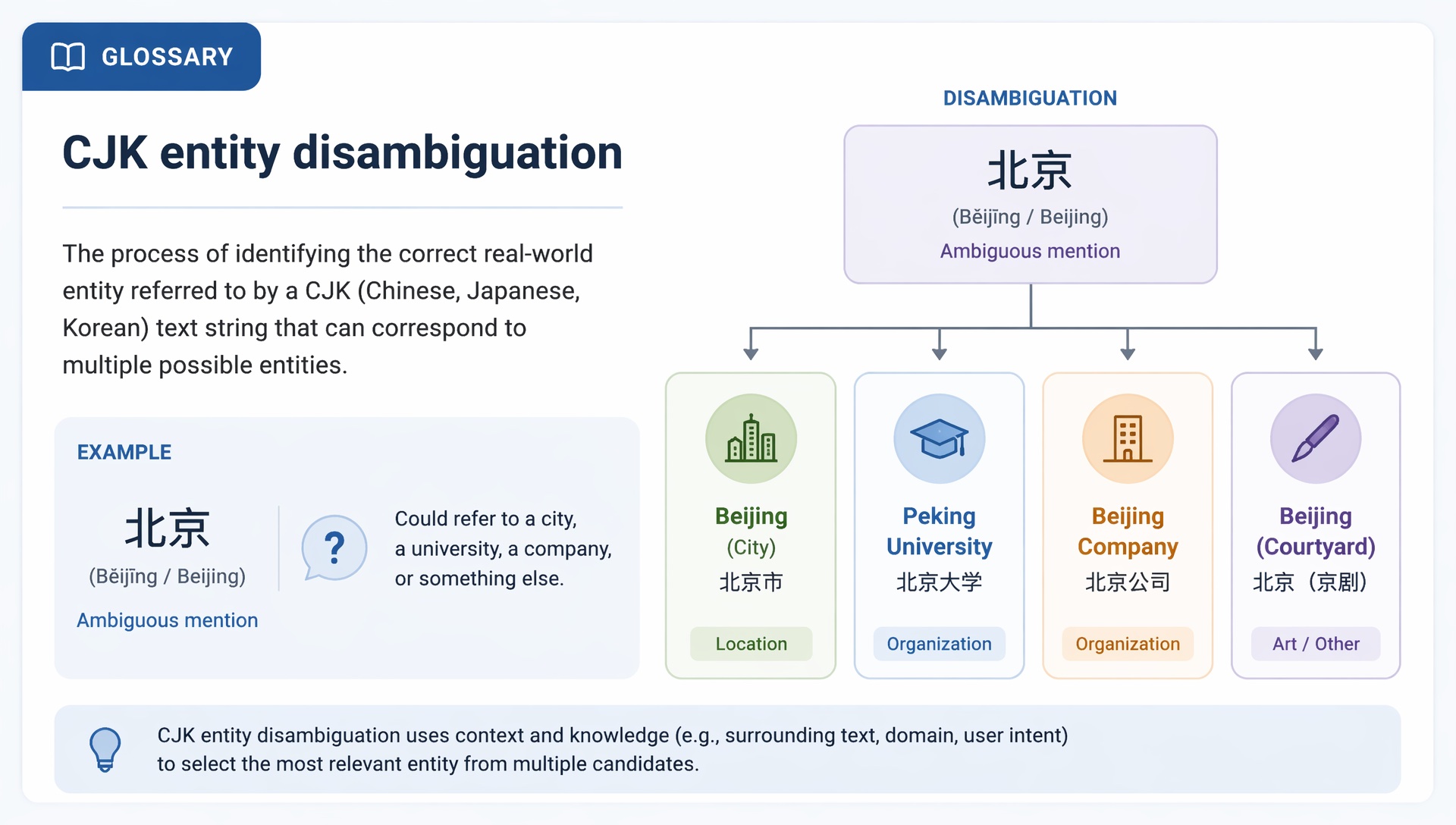
CJK entity disambiguation is the practice of resolving brand and product entities across Chinese, Japanese, and Korean…
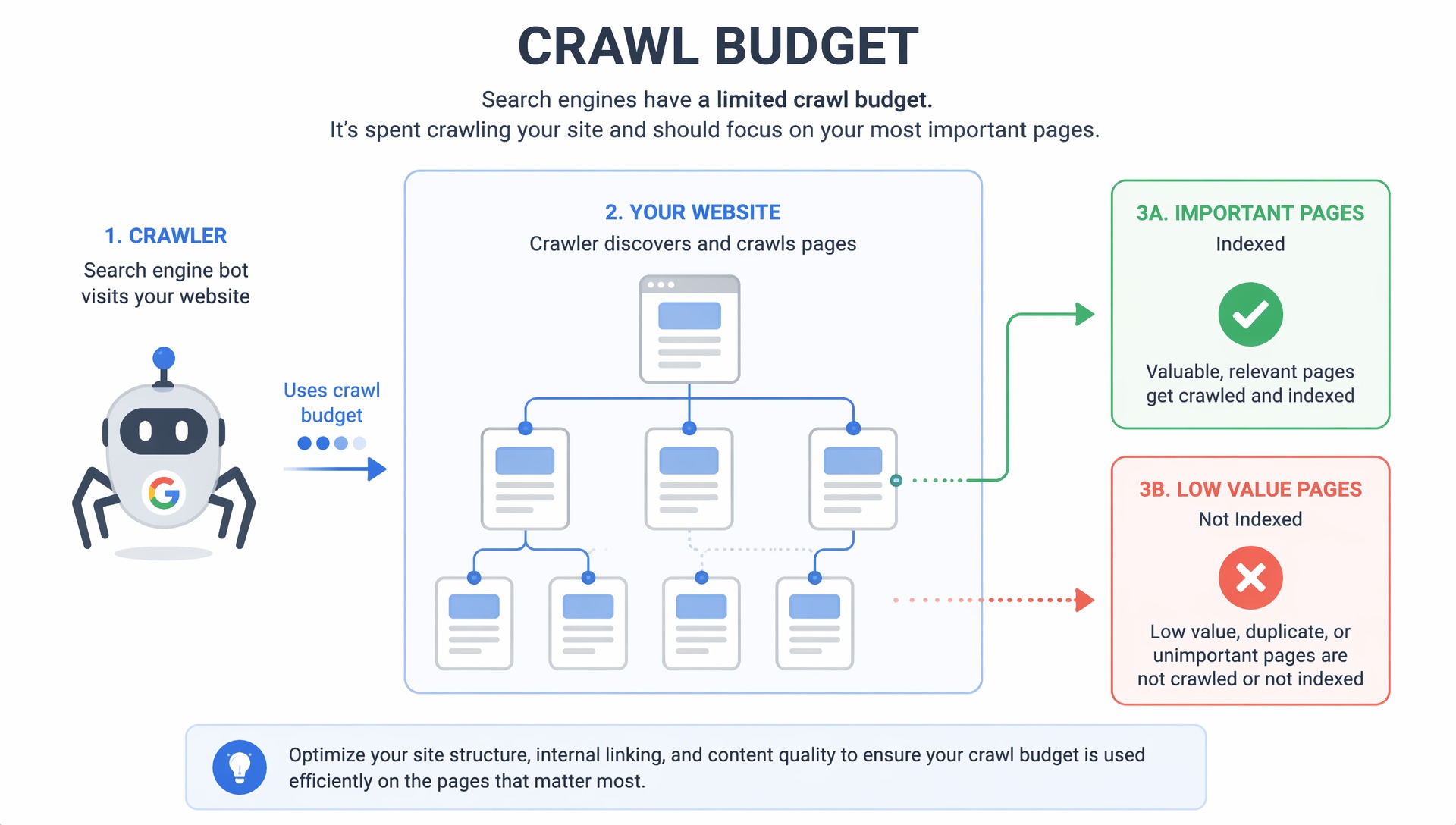
Crawl budget is the approximate number of pages search engine bots will fetch on a site within a given period —…

Digital PR is the practice of earning online media coverage, expert quotes, and third-party mentions — not paid ads —…
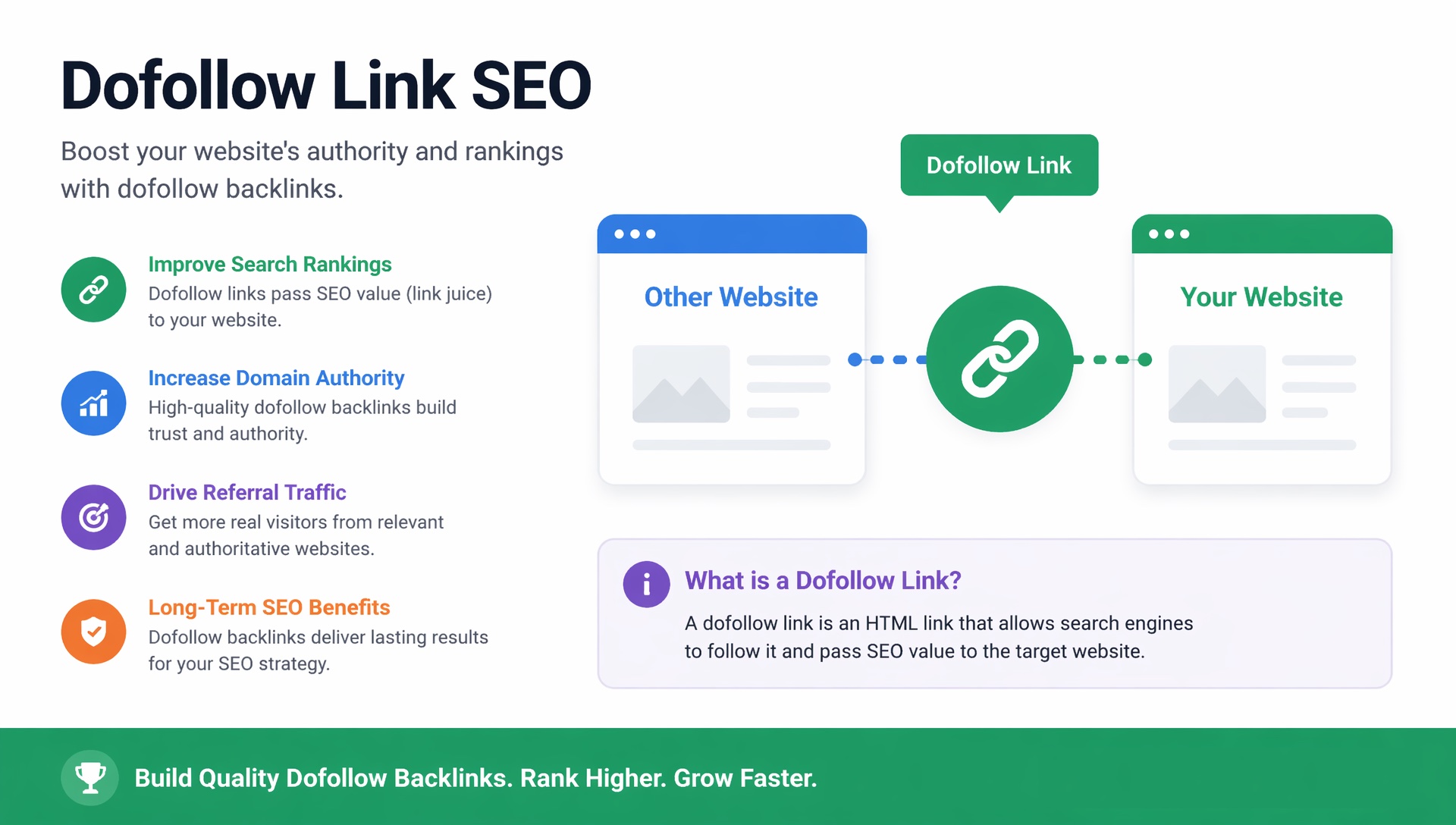
A dofollow link is industry shorthand for a standard hyperlink without rel="nofollow" — one that can pass ranking…
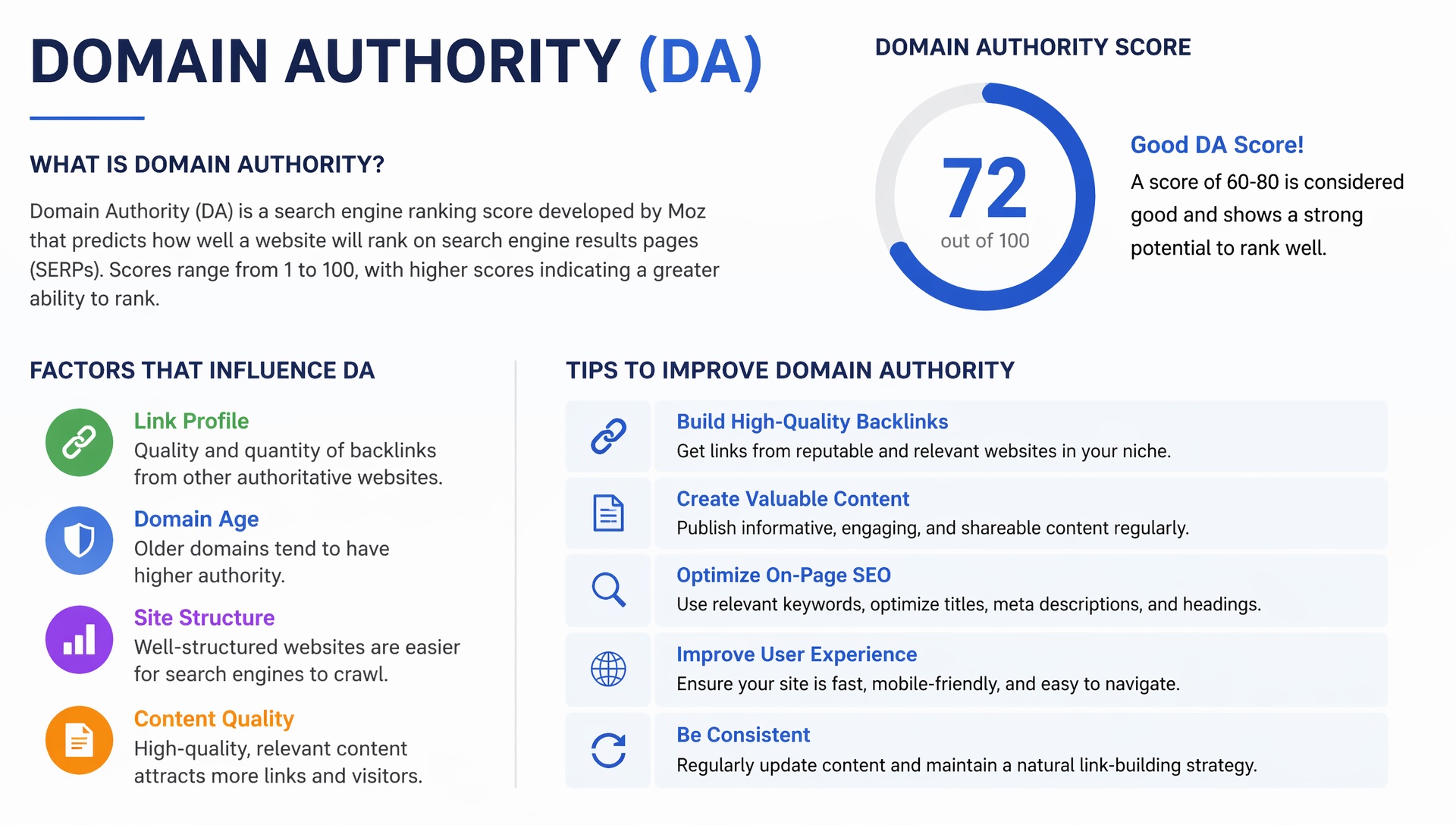
Domain authority is a third-party proxy score — popularized by Moz as Domain Authority (DA) and similar metrics…
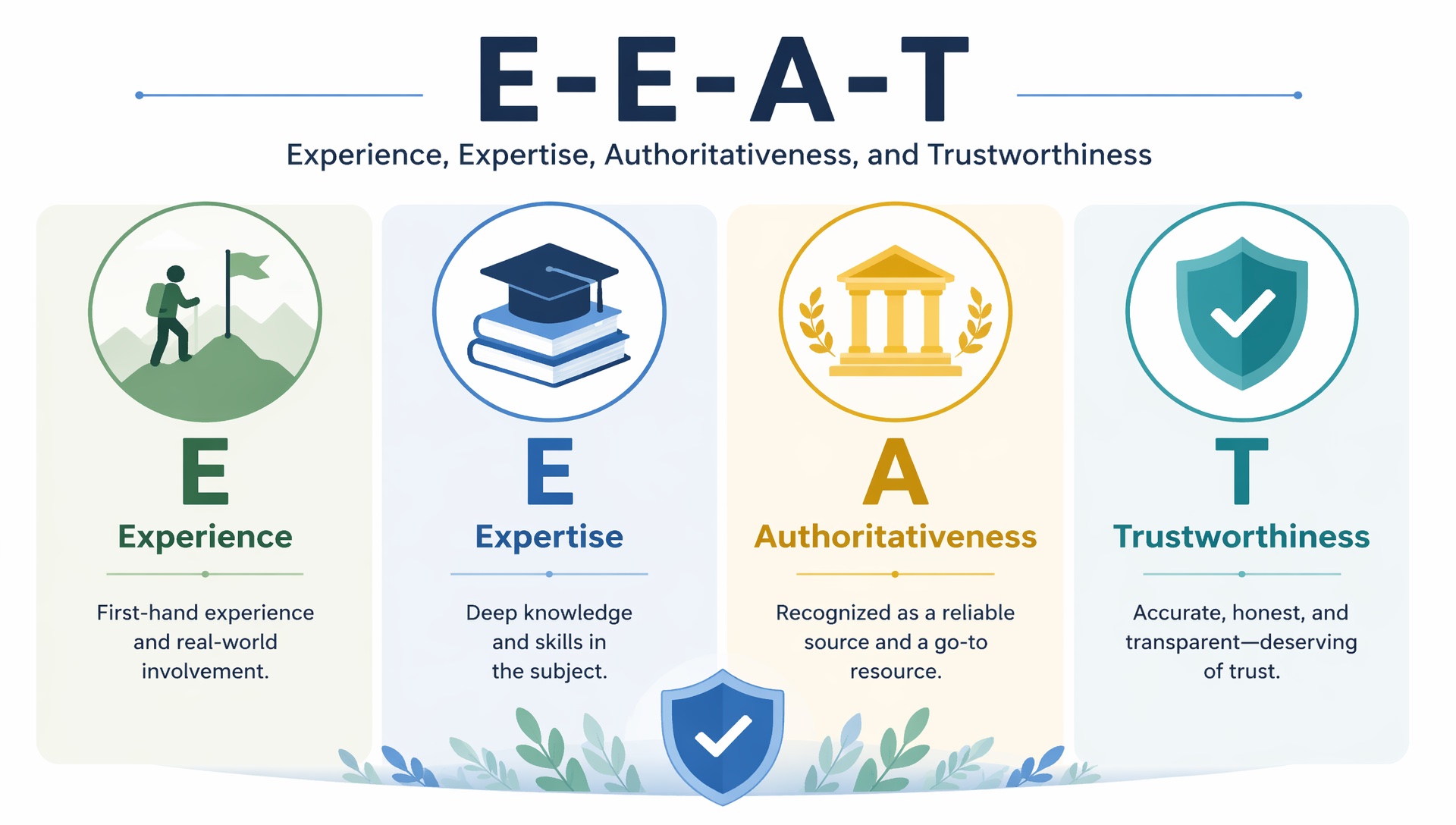
E-E-A-T — Experience, Expertise, Authoritativeness, and Trustworthiness — is Google's framework for assessing content…
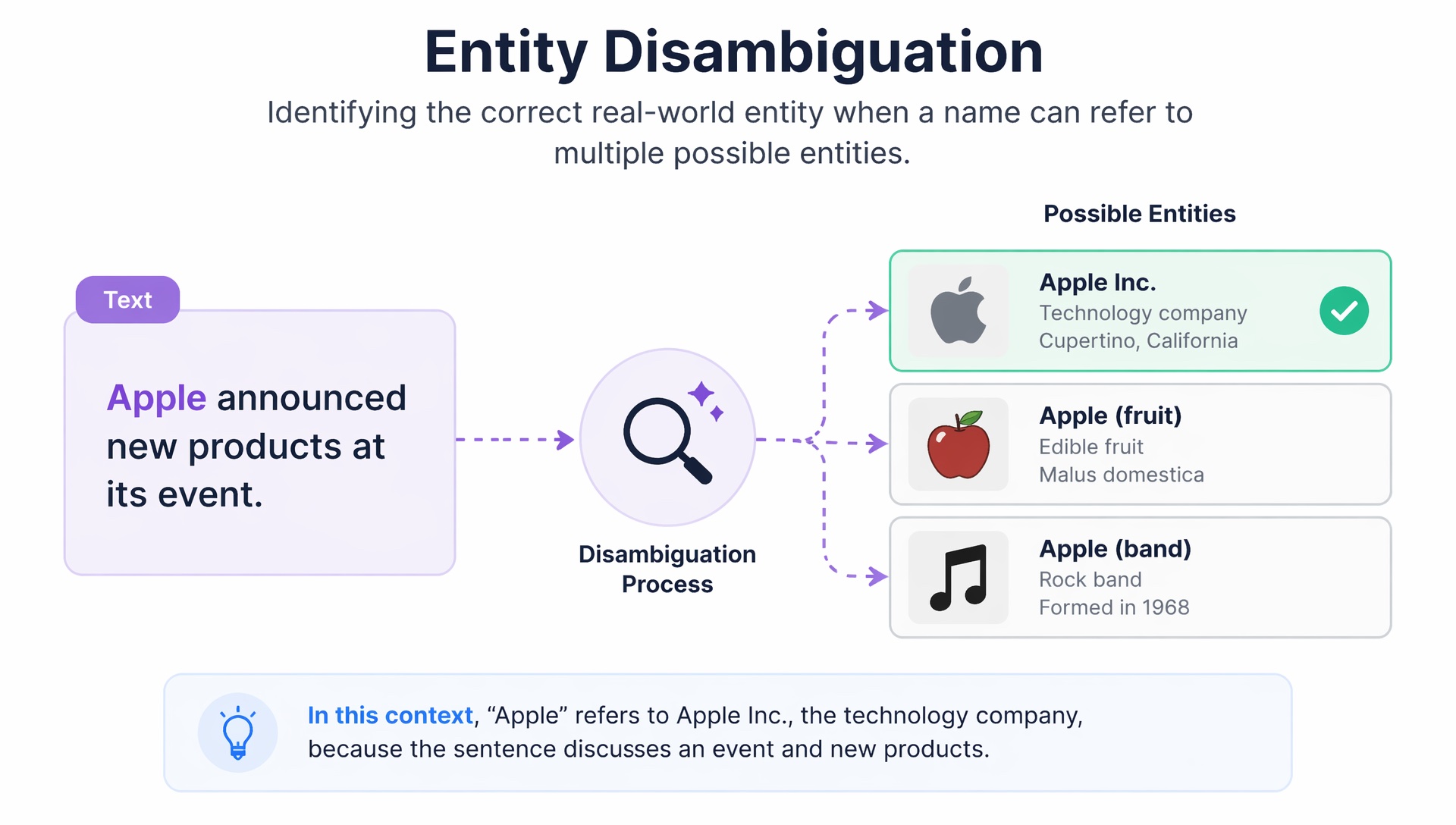
Entity disambiguation is the process of distinguishing one named entity — a company, product, or person — from others…
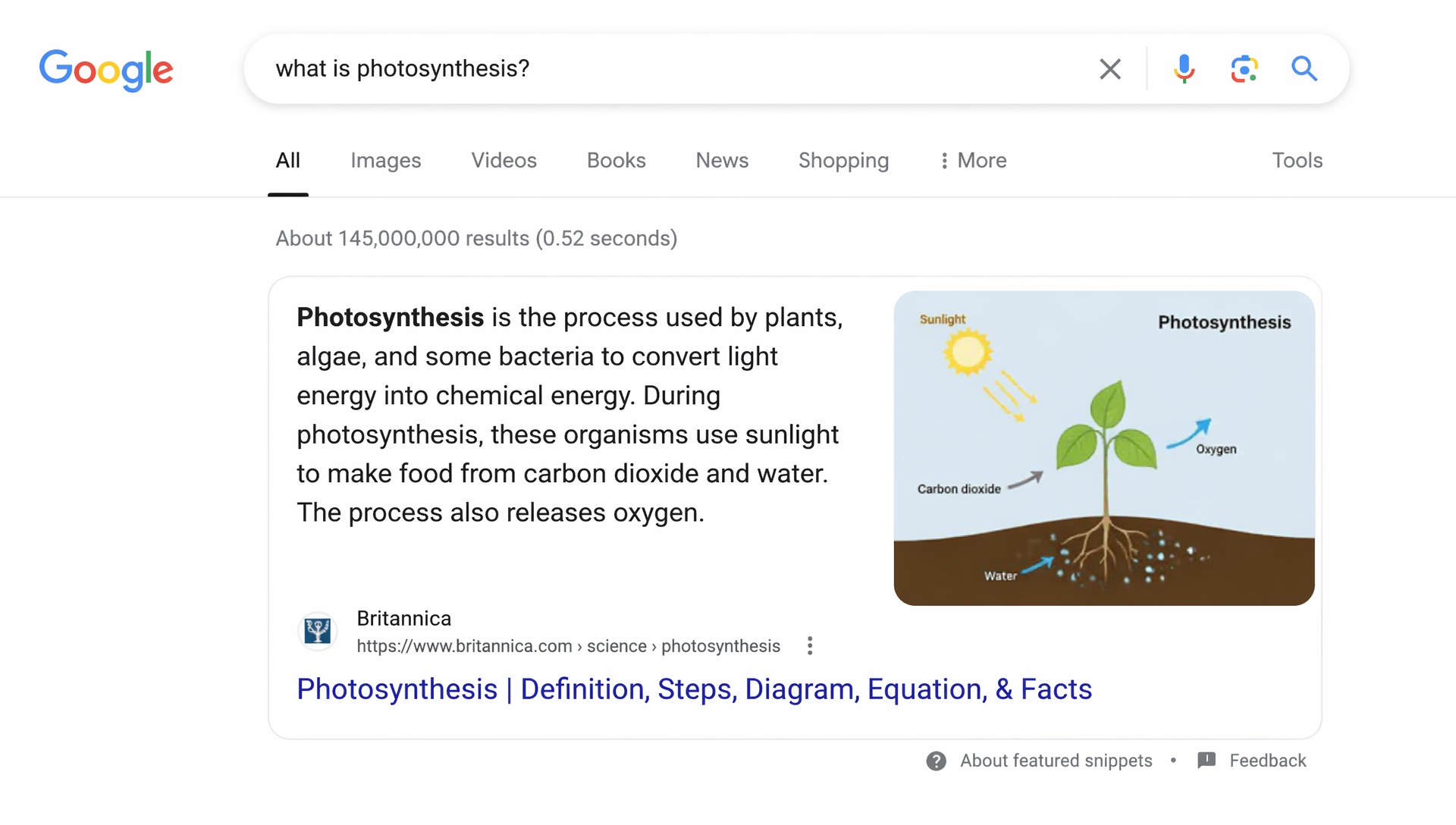
A featured snippet is a Google Search result that extracts and displays a direct answer — paragraph, list, or table —…
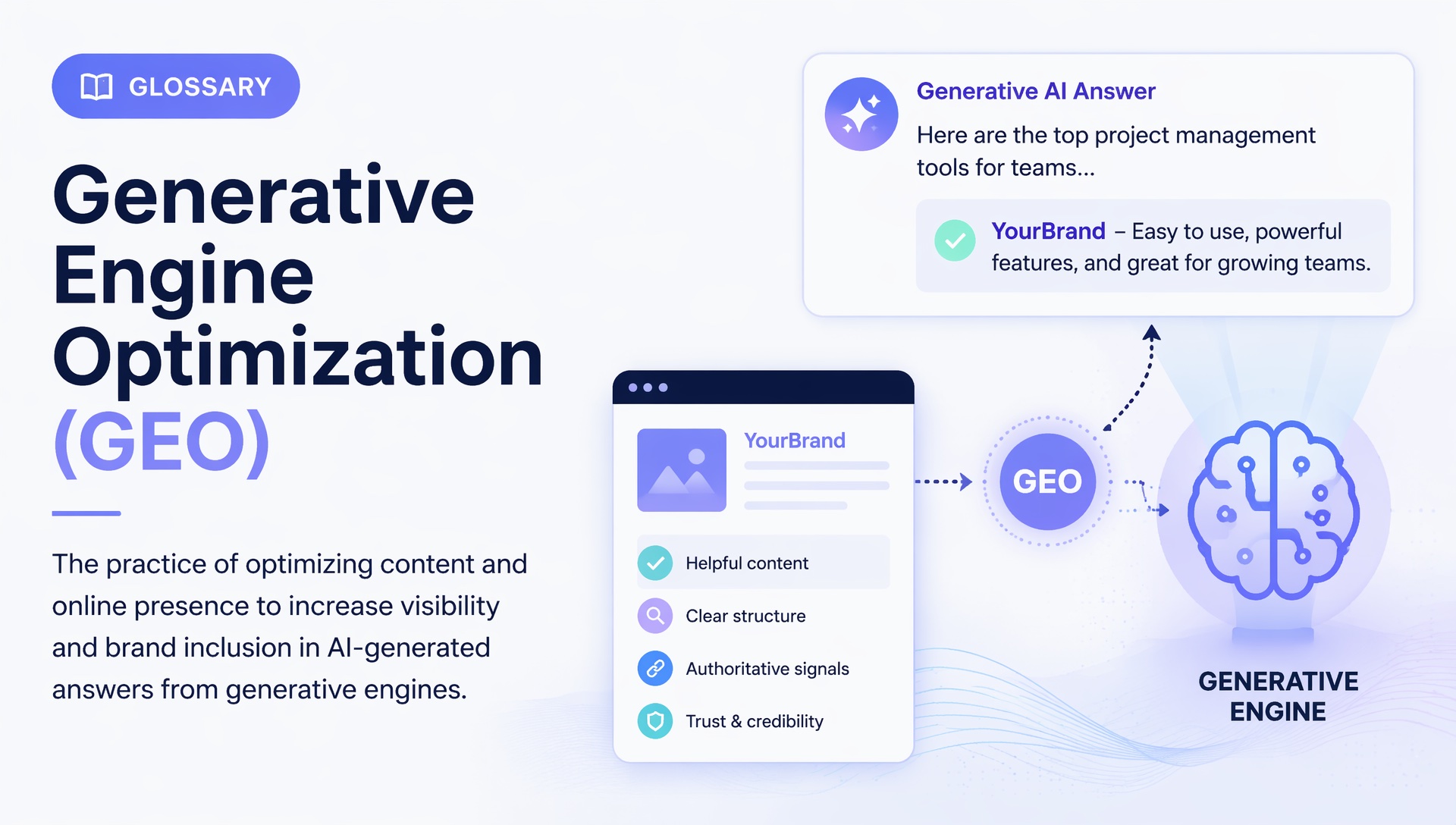
Generative Engine Optimization (GEO) is the practice of structuring content, entities, and off-site signals so…
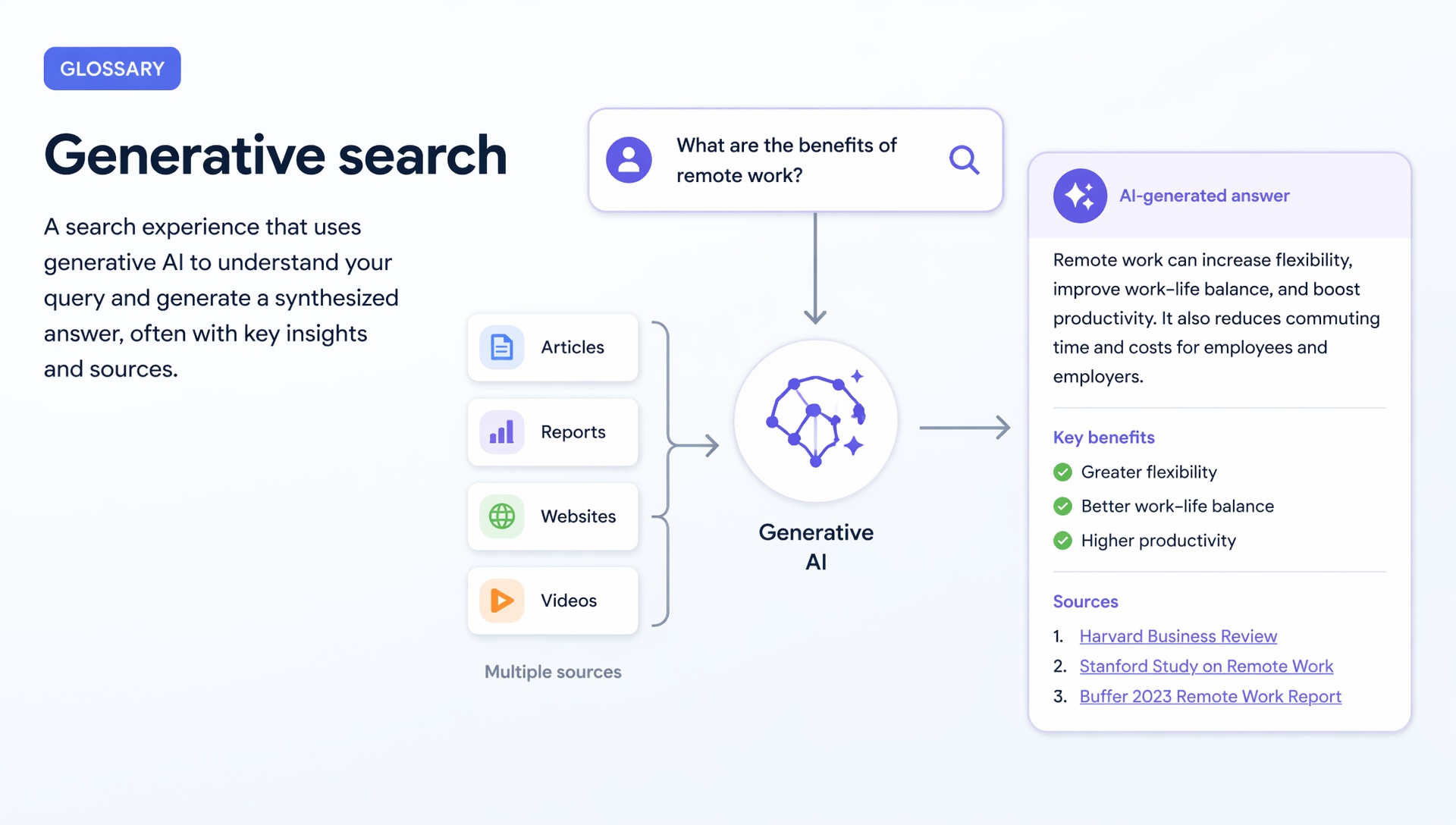
Generative search is search where the interface produces a synthesized natural-language answer — not only ranked links…
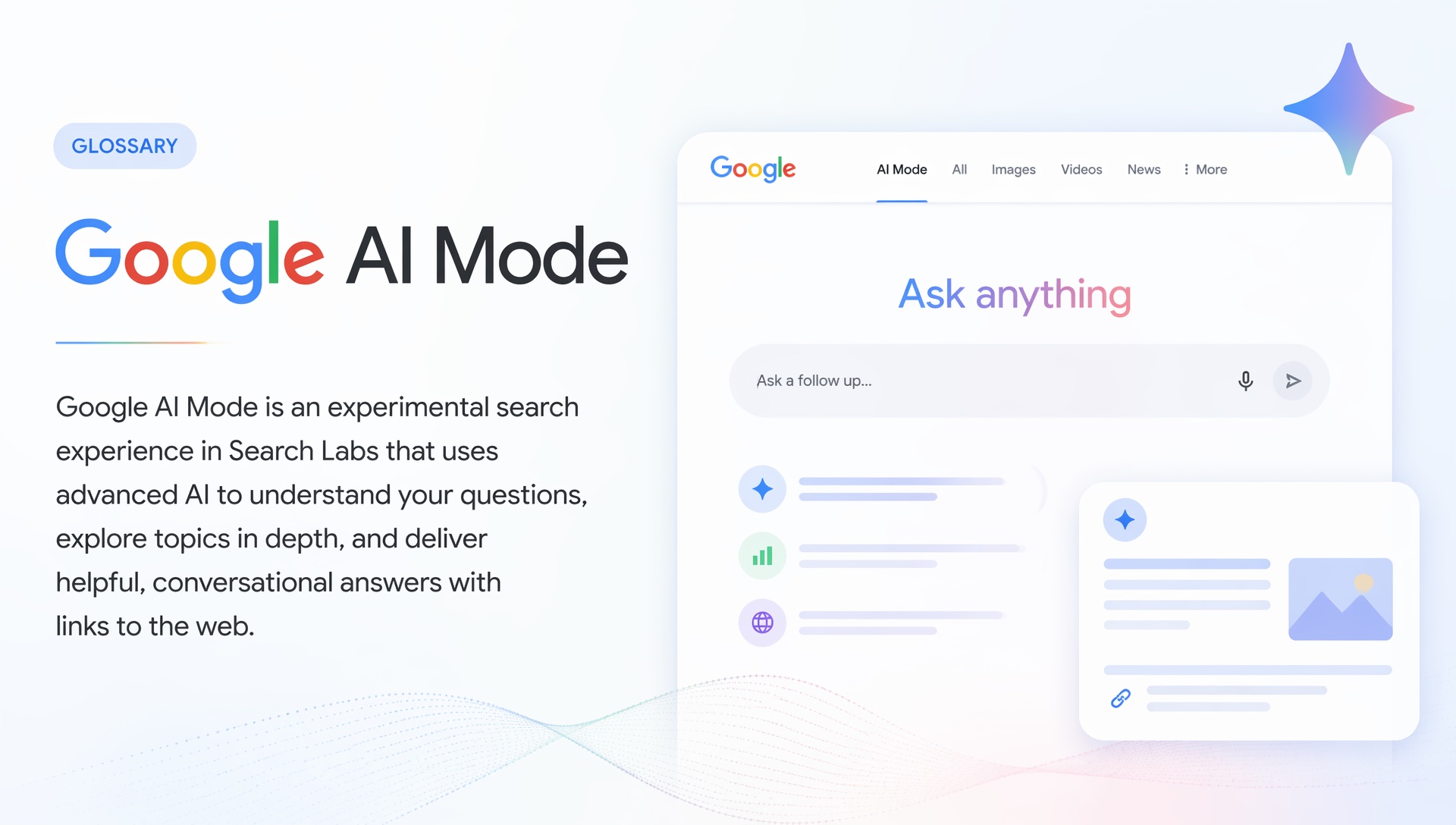
Google AI Mode is Google Search's conversational, fully generative interface where users interact with an AI assistant…
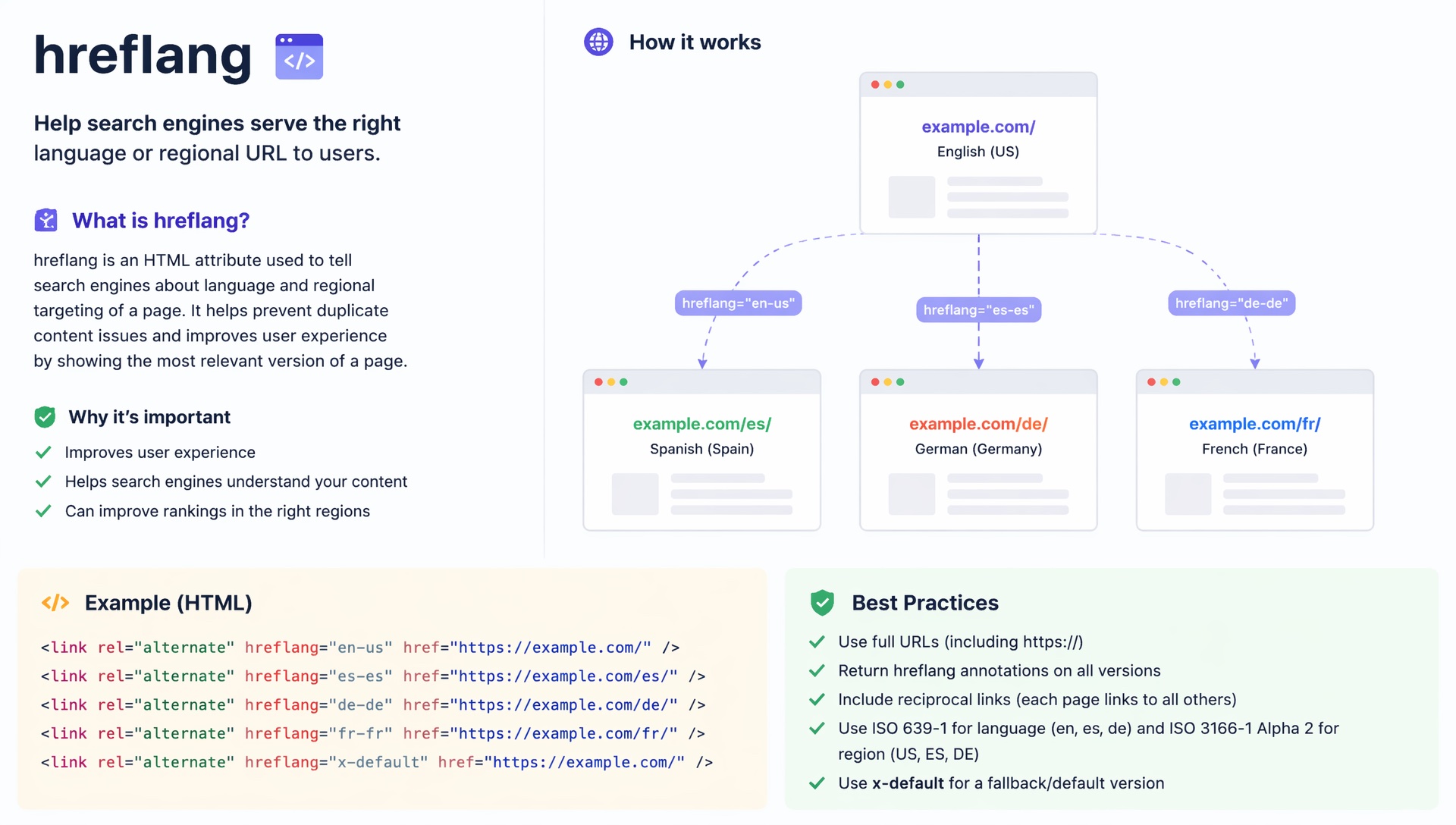
Hreflang is an HTML attribute (rel="alternate" hreflang="x") that tells search engines which language or regional URL…
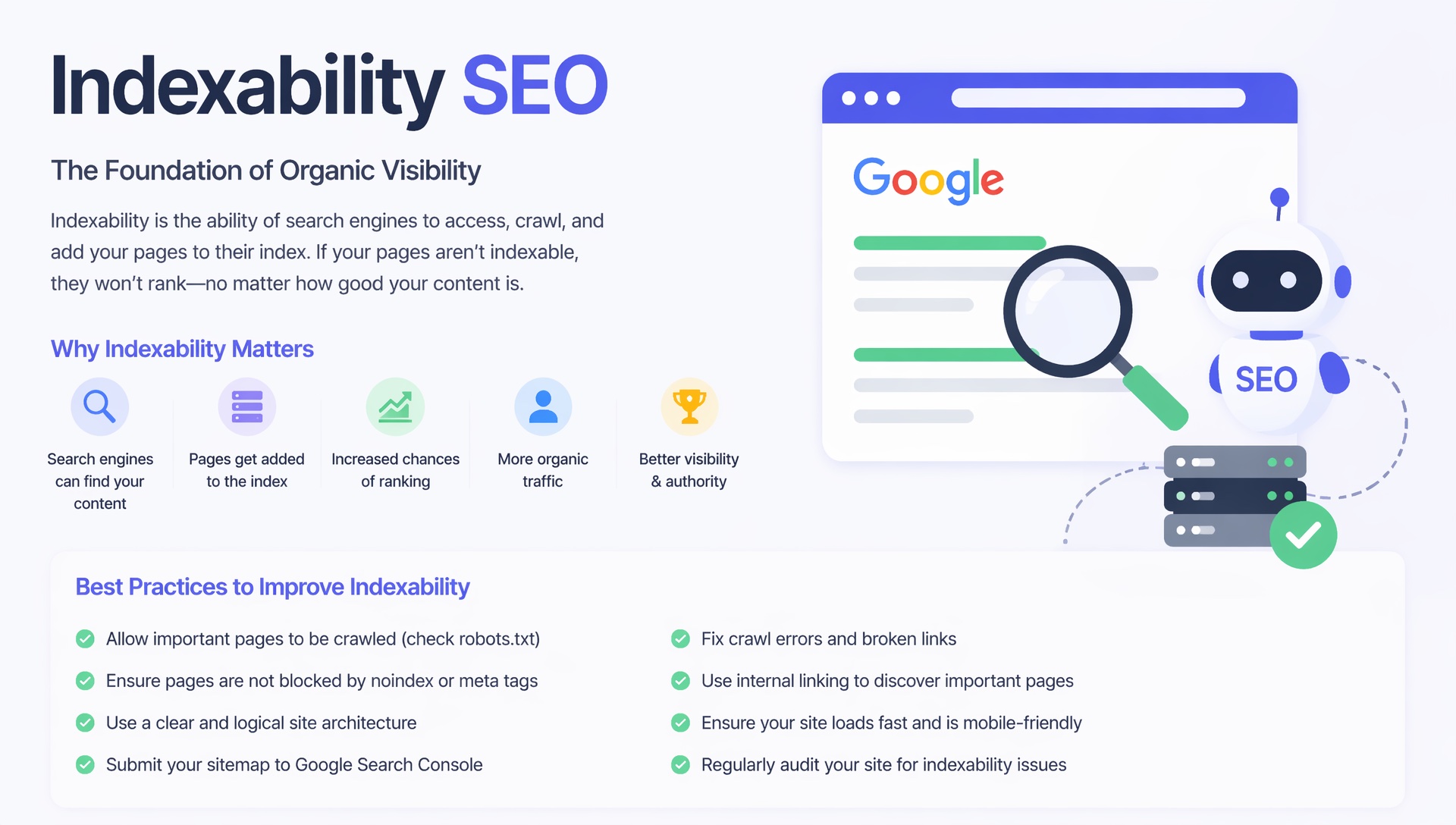
Indexability is whether search engines can crawl a URL and include it in their index — the prerequisite for ranking,…
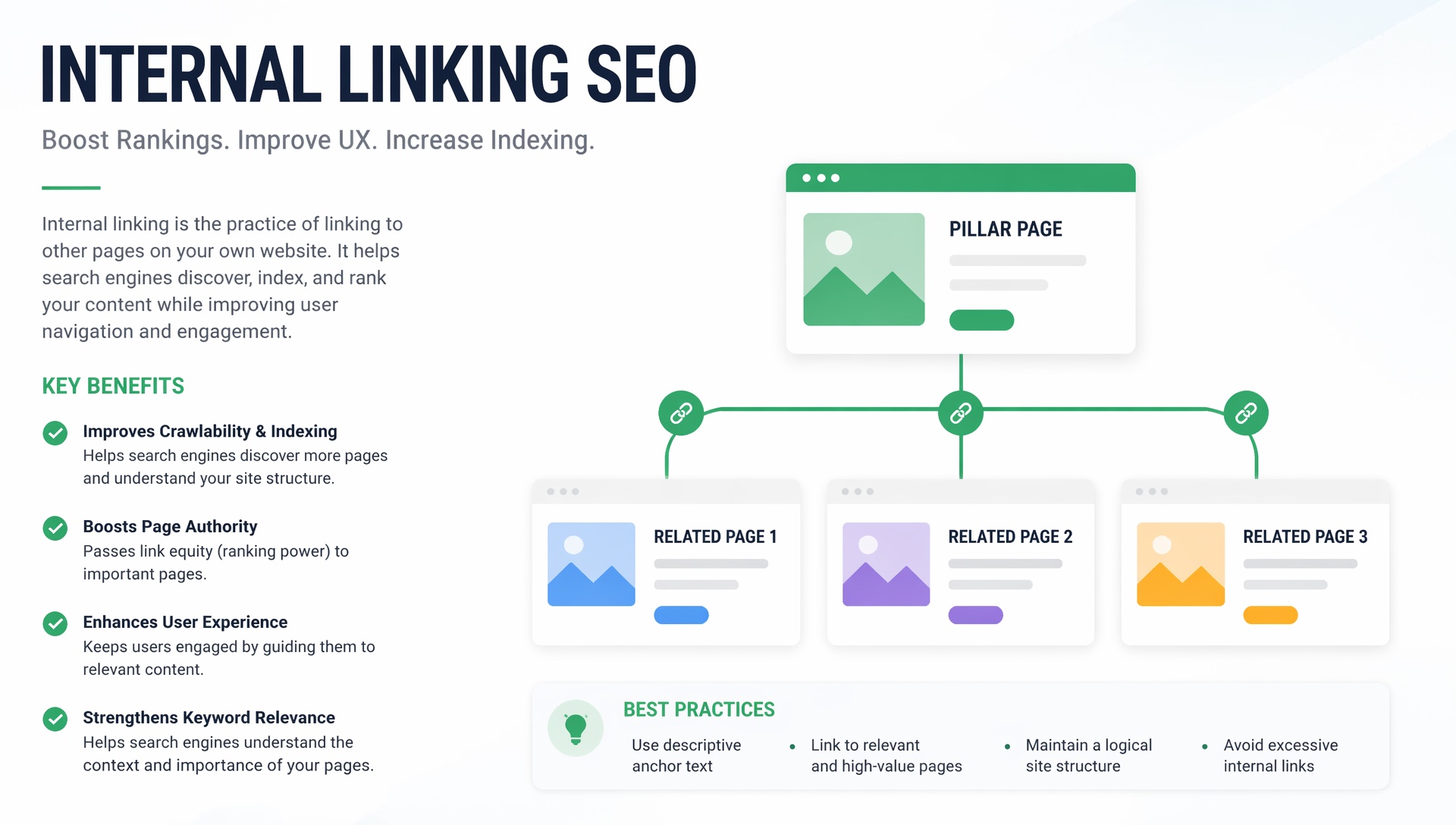
Internal linking is the practice of connecting pages within the same site through hyperlinks — distributing crawl…
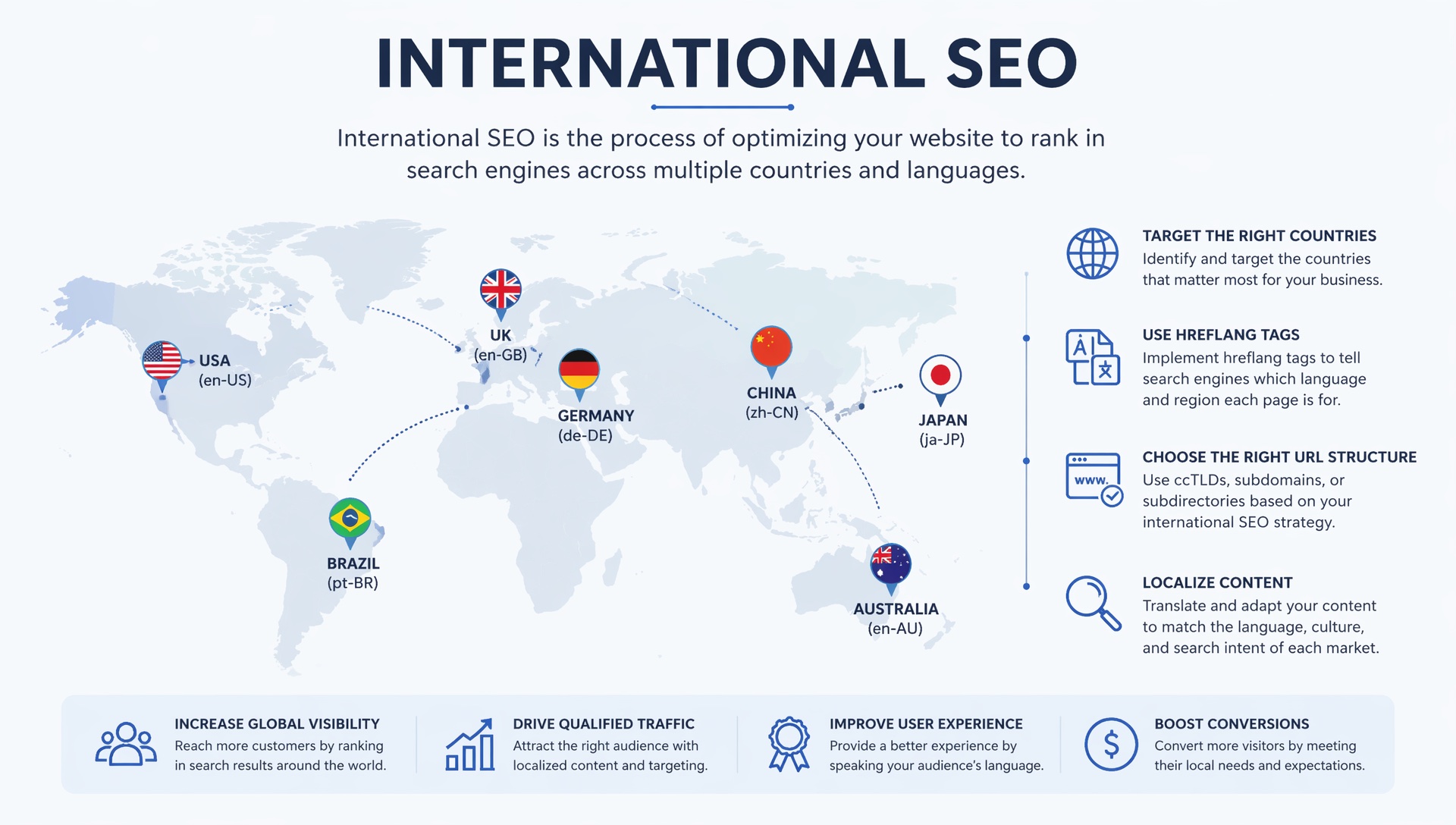
International SEO is the discipline of optimizing a website so search engines serve the correct language and country…
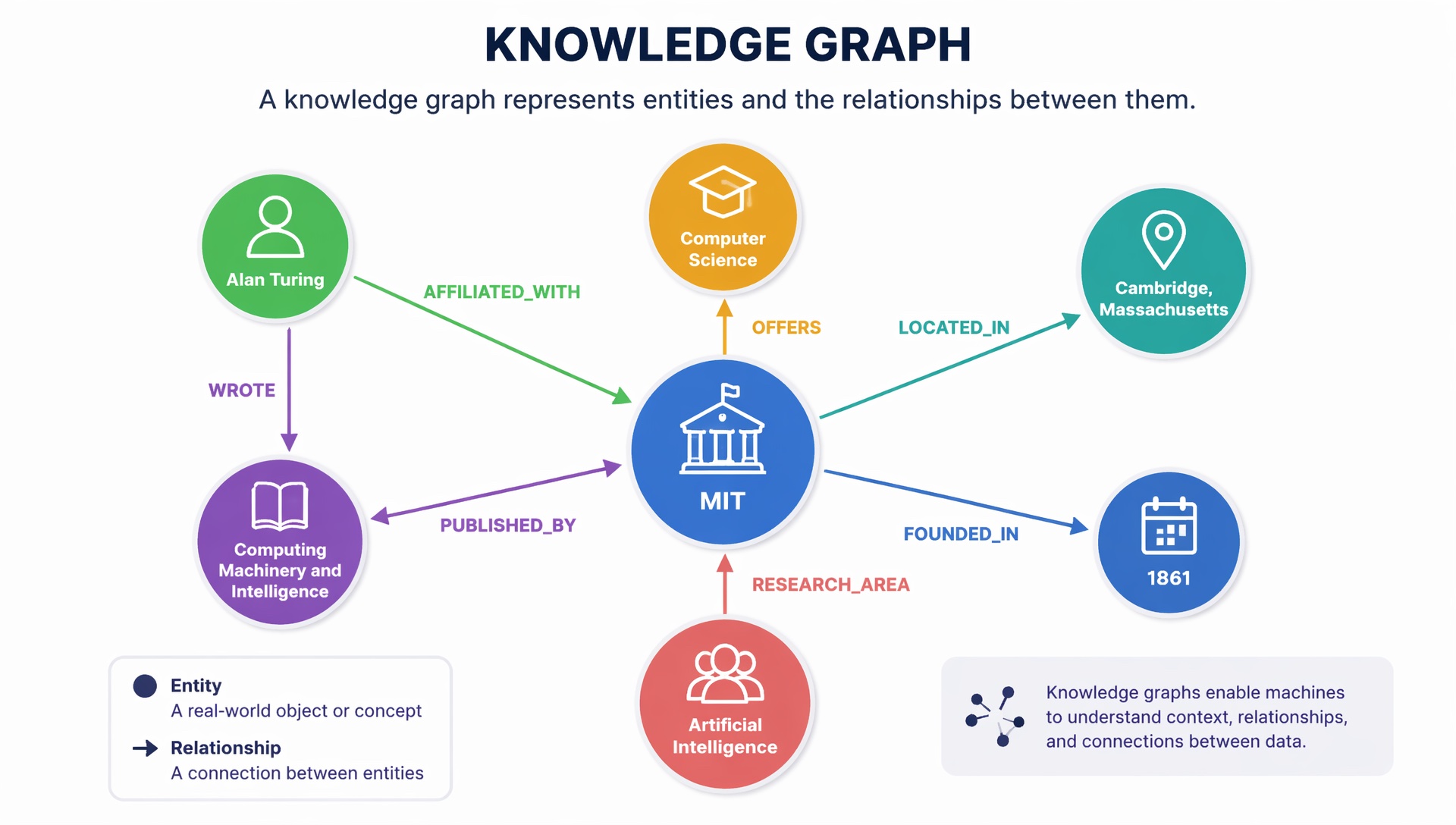
A knowledge graph is a structured network of entities (people, companies, products, places) and the relationships…
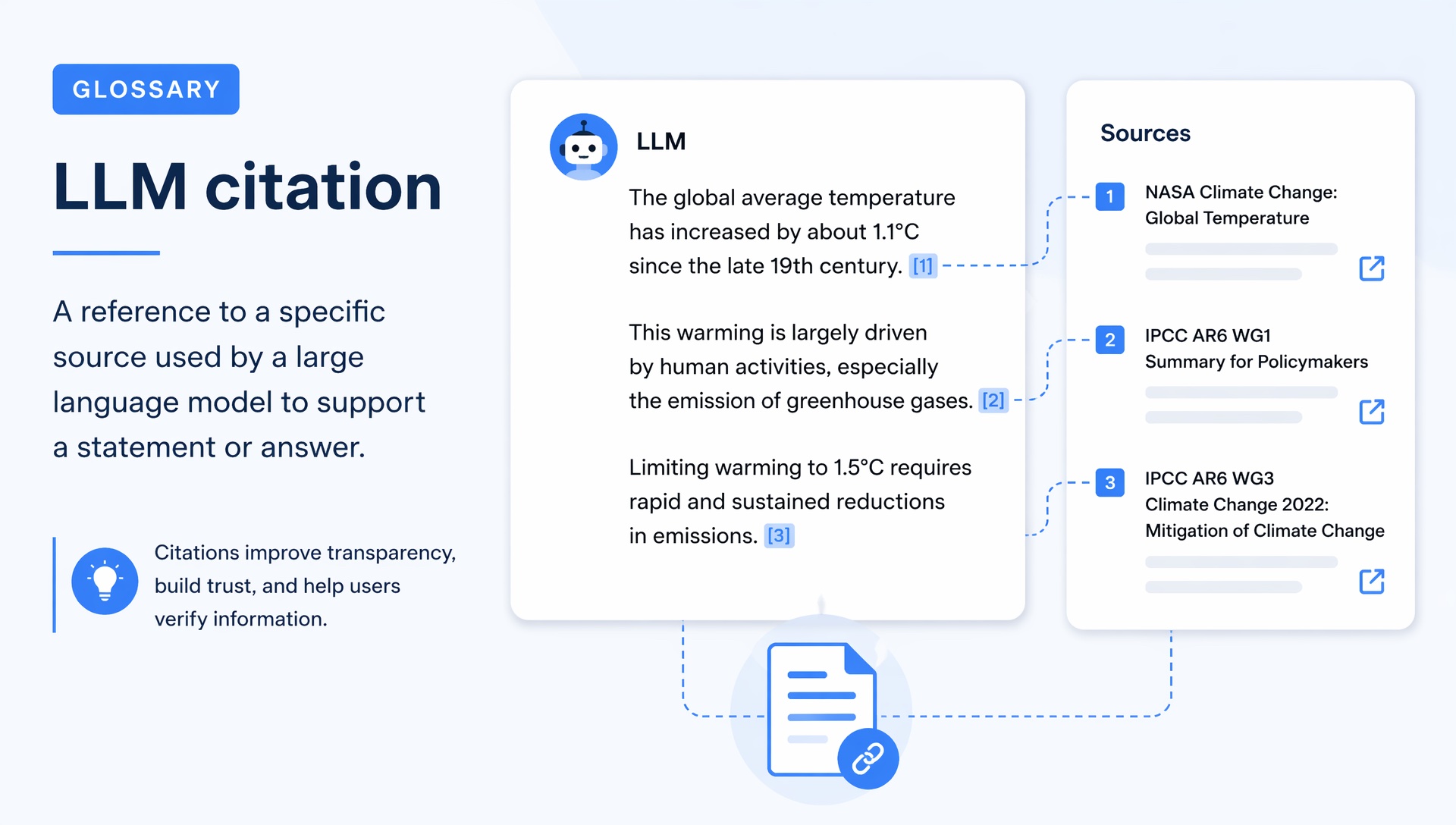
An LLM citation is when a large language model names a source — usually as an inline link, footnote, or reference card…
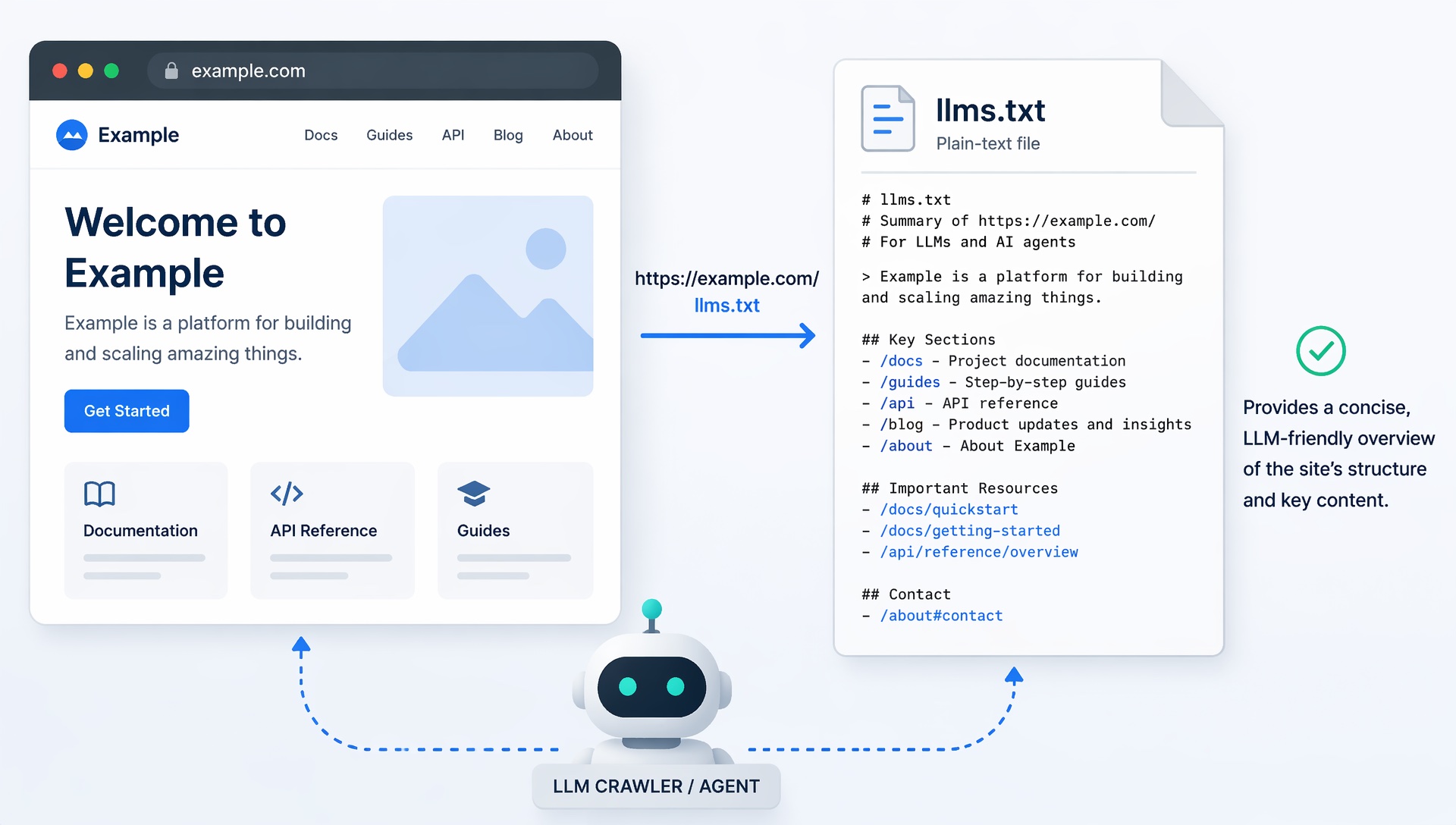
llms.txt is a plain-text file, conventionally served at /llms.txt, that summarizes a site for LLM crawlers and agents —…
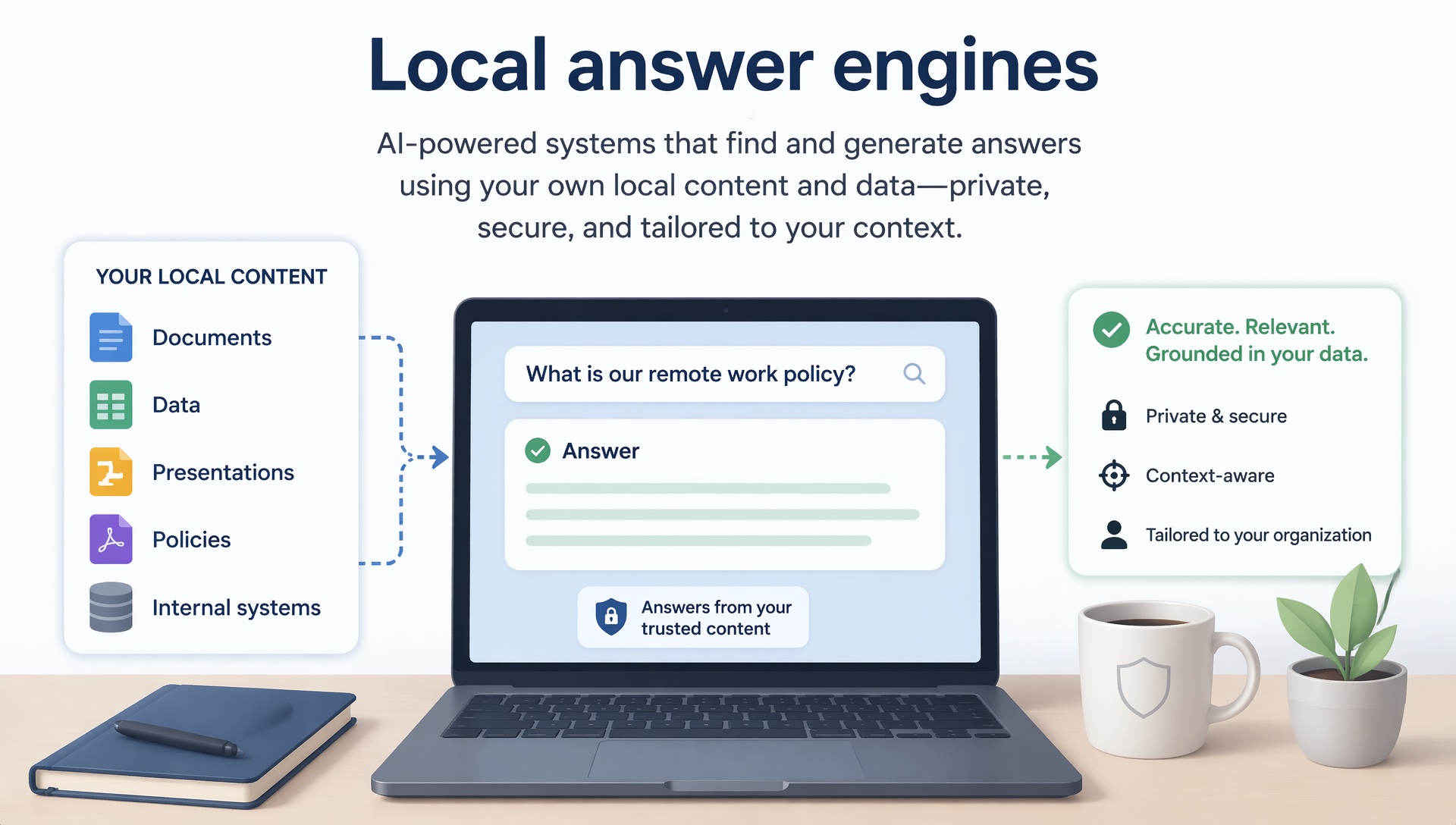
Local answer engines are search or AI-assisted products dominant in a specific country or language — Naver in Korea,…

A local citation is an online mention of a business's name, address, and phone number (NAP) — on directories, maps,…
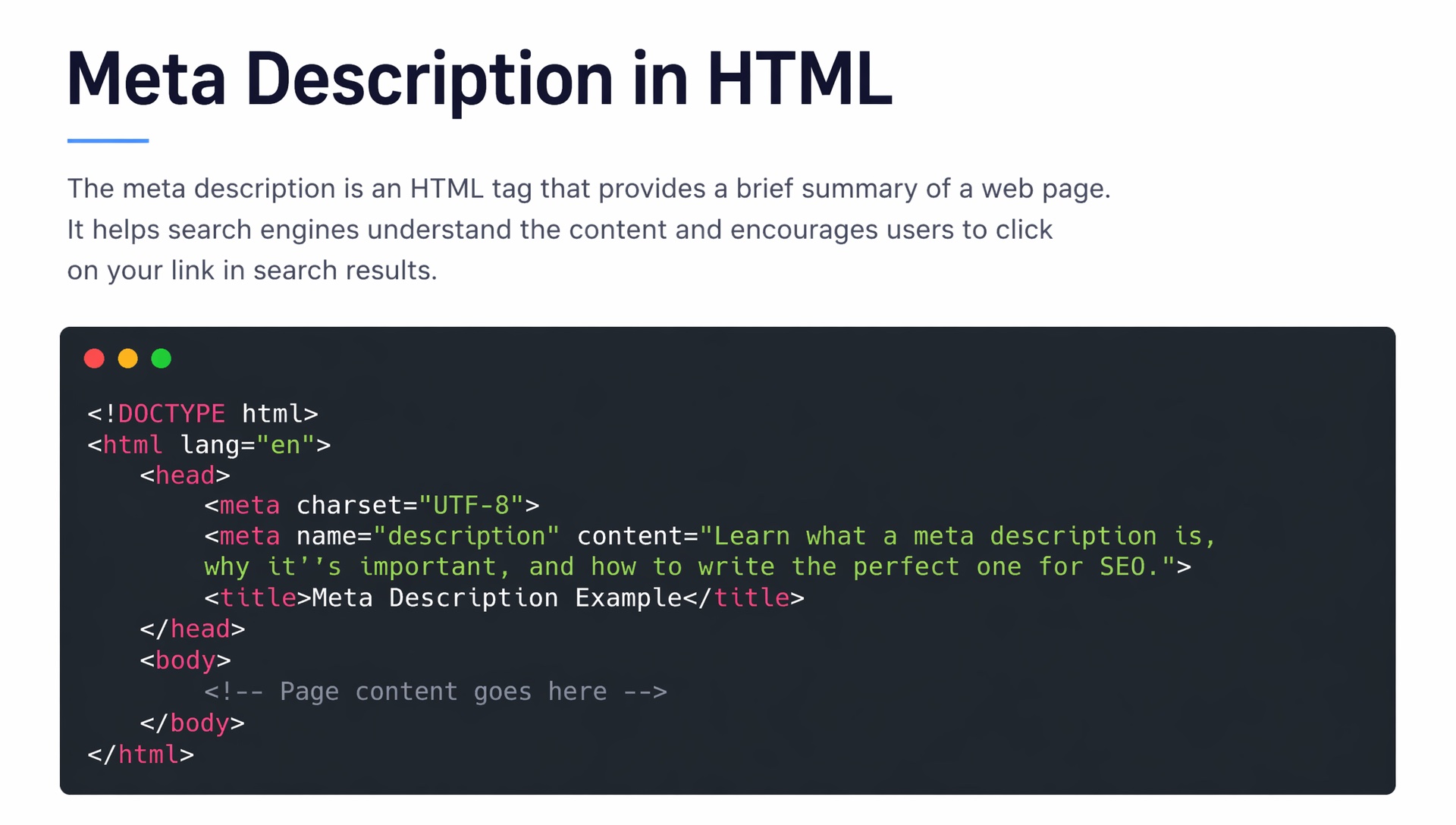
A meta description is an HTML meta tag summarizing a page's content for search engines; Google may use it as the…
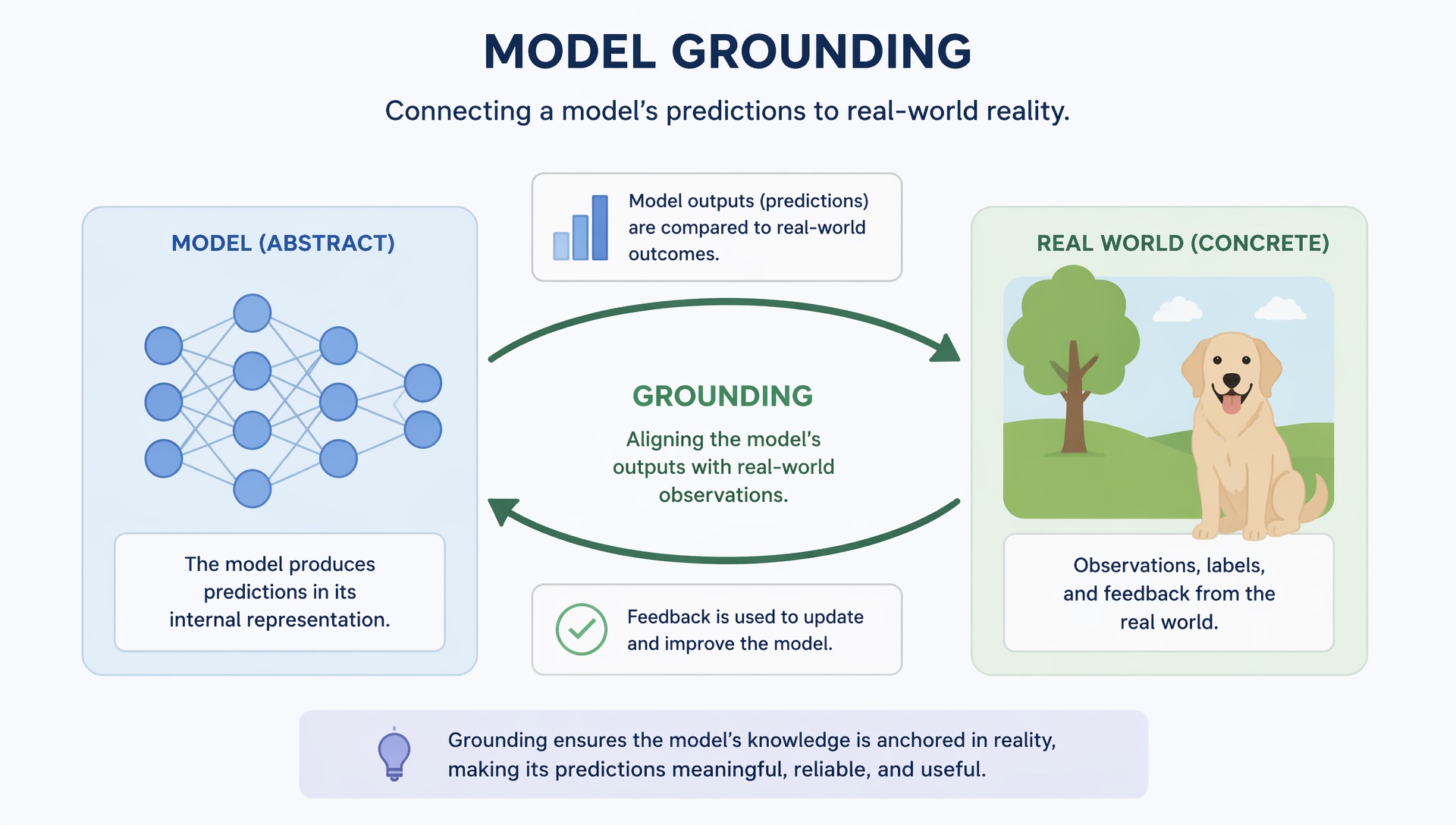
Model grounding is the process of anchoring an LLM's generated answer to retrieved, verifiable sources — URLs,…
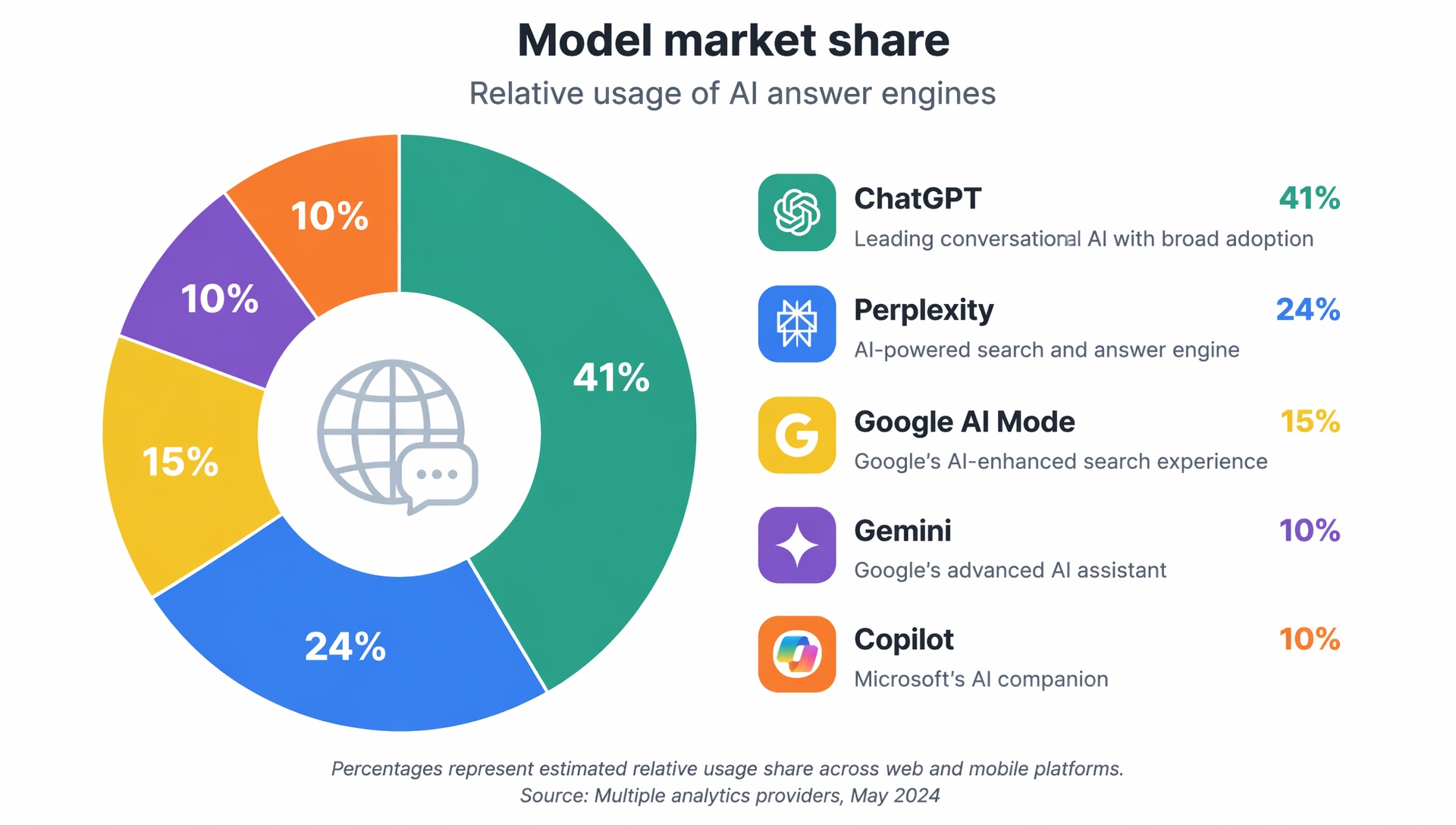
Model market share is the relative usage of AI answer engines — ChatGPT, Perplexity, Google AI Mode, Gemini, Copilot,…
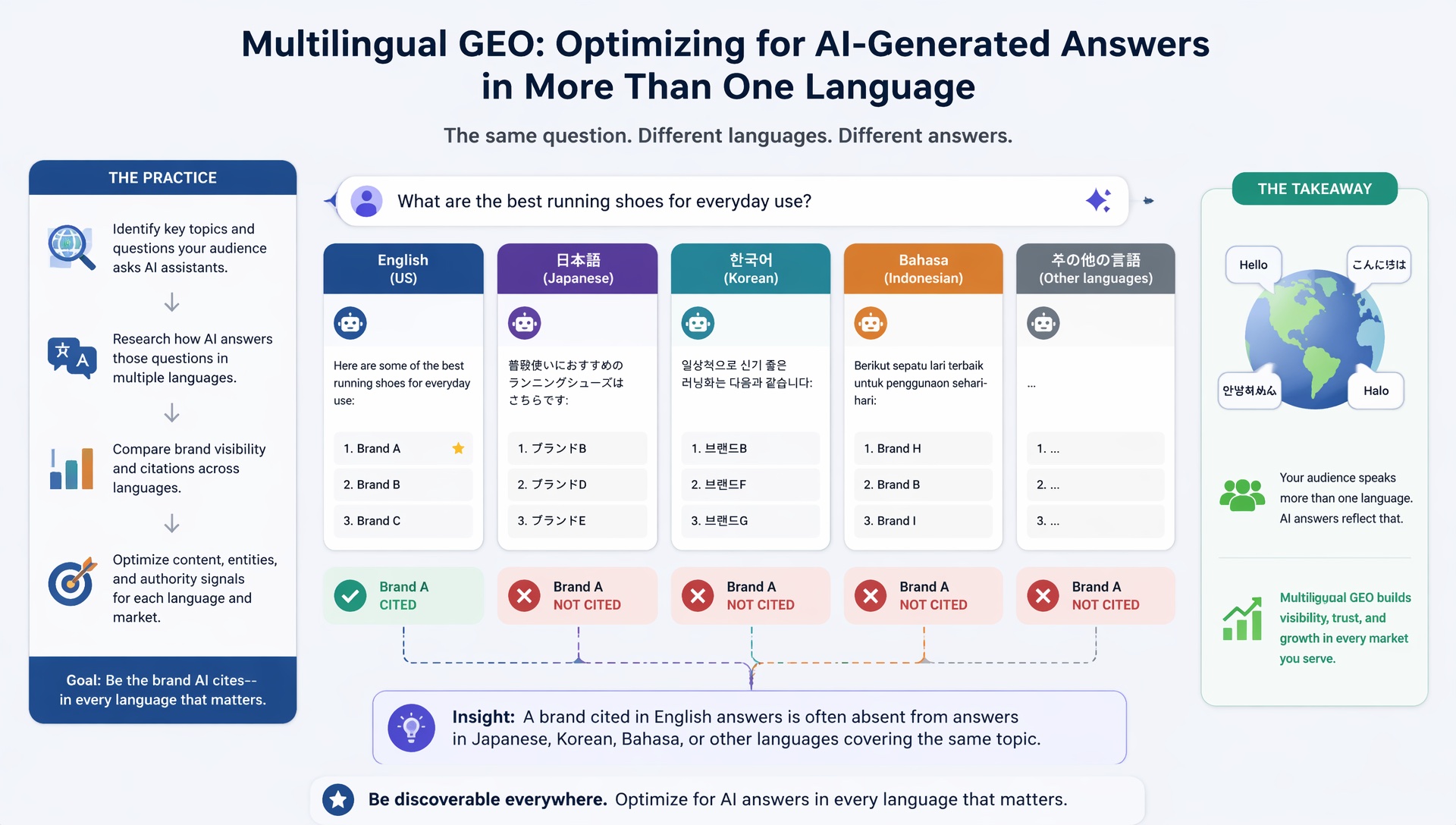
Multilingual GEO is the practice of optimizing for AI-generated answers in more than one language, recognizing that a…
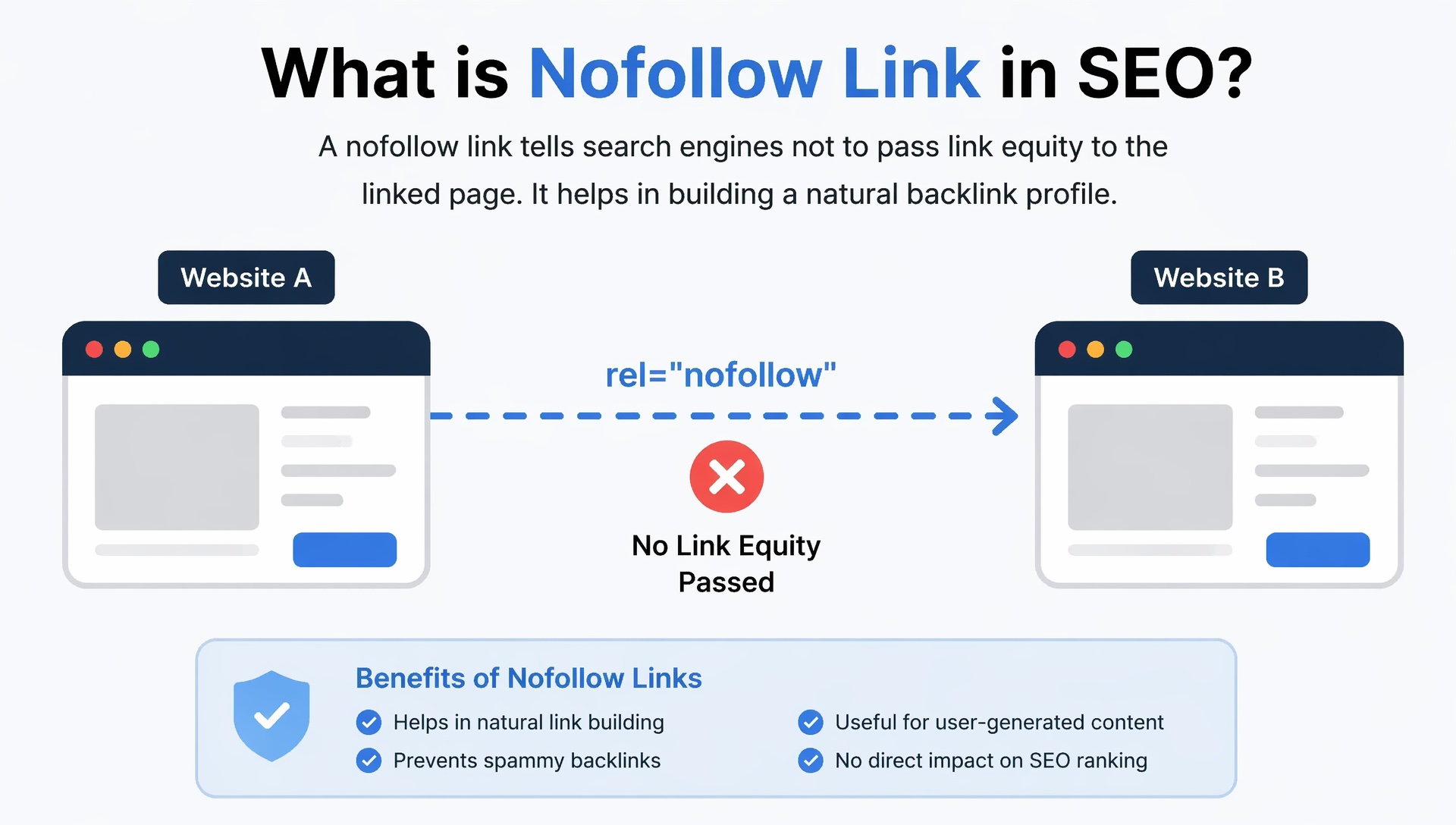
A nofollow link is a hyperlink with rel="nofollow" (or rel="nofollow sponsored" / "ugc") telling search engines not to…
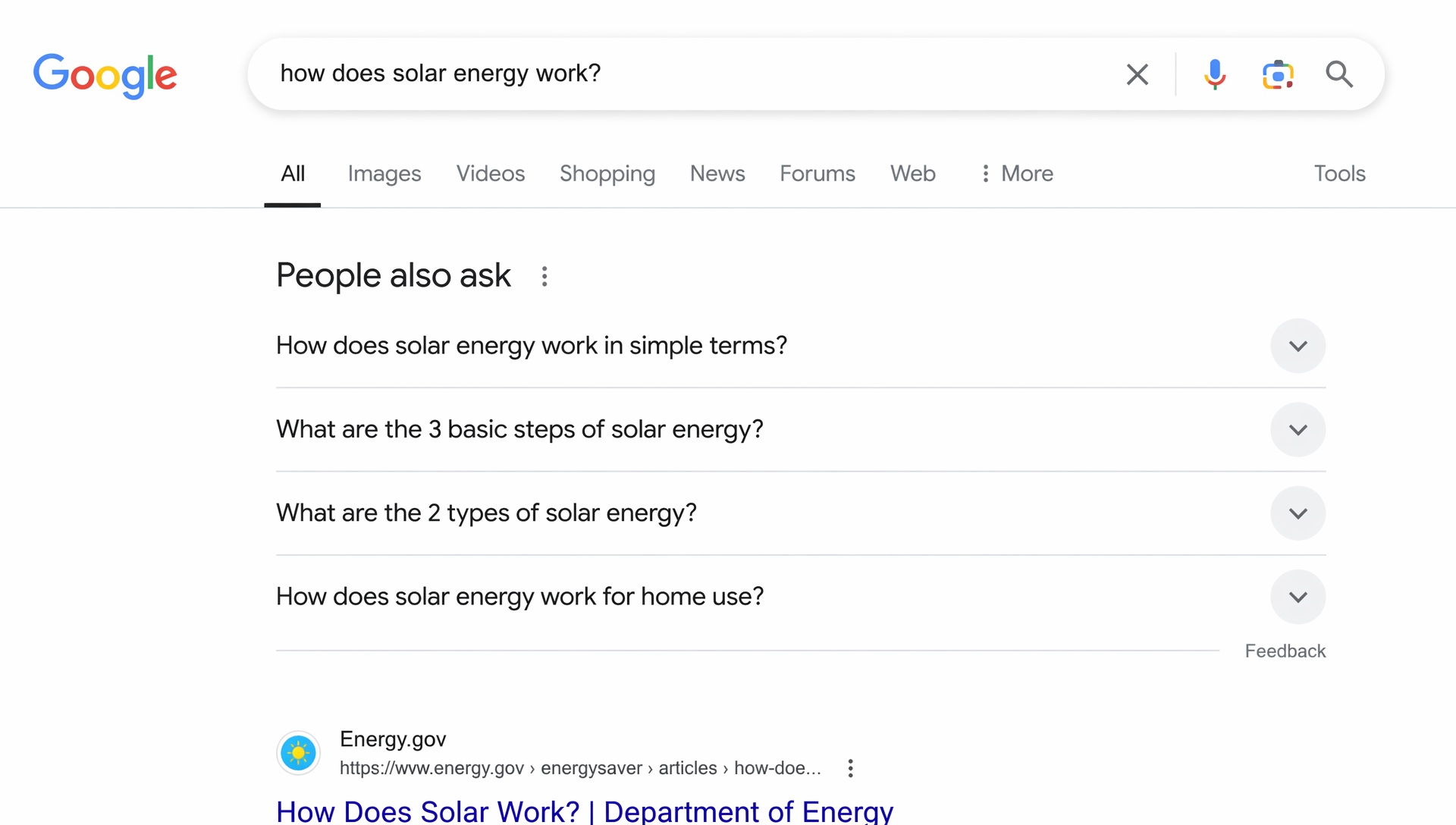
People Also Ask (PAA) is a Google SERP feature showing expandable question-and-answer boxes related to the query.…
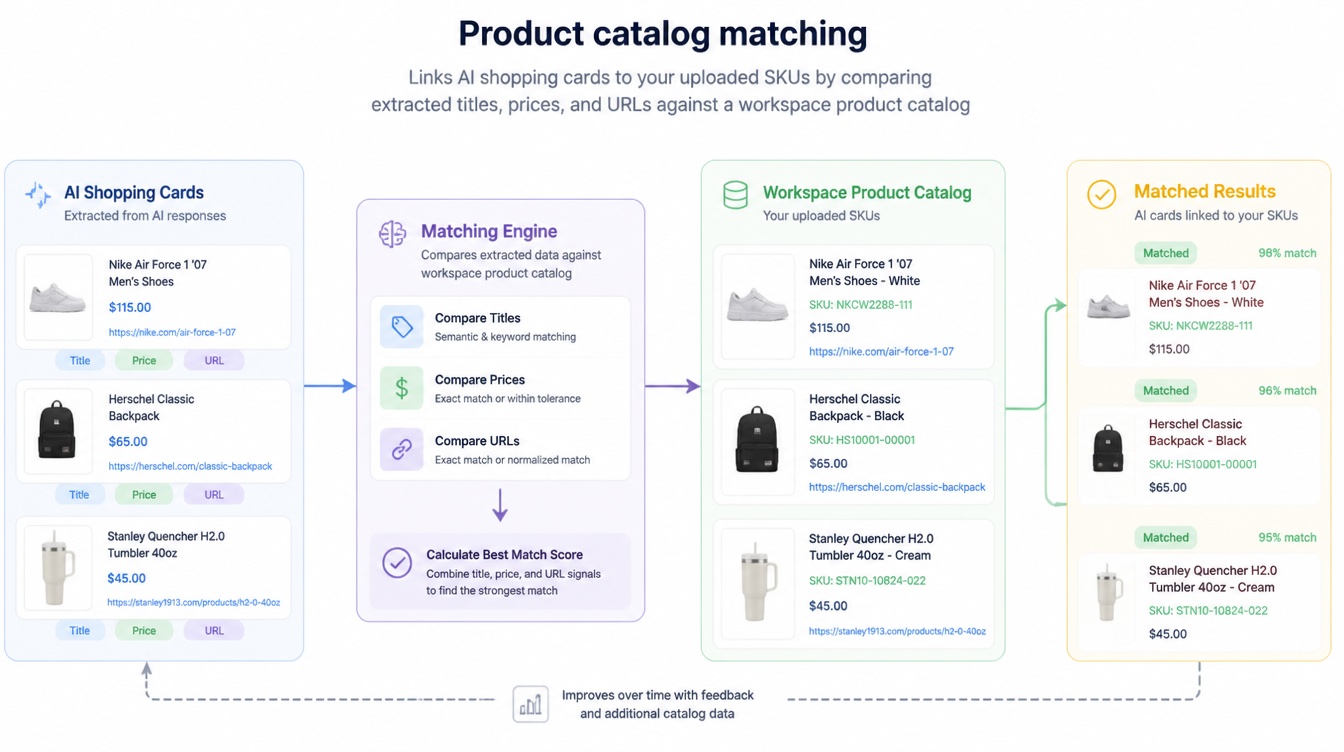
Product catalog matching links AI shopping cards to your uploaded SKUs by comparing extracted titles, prices, and URLs…
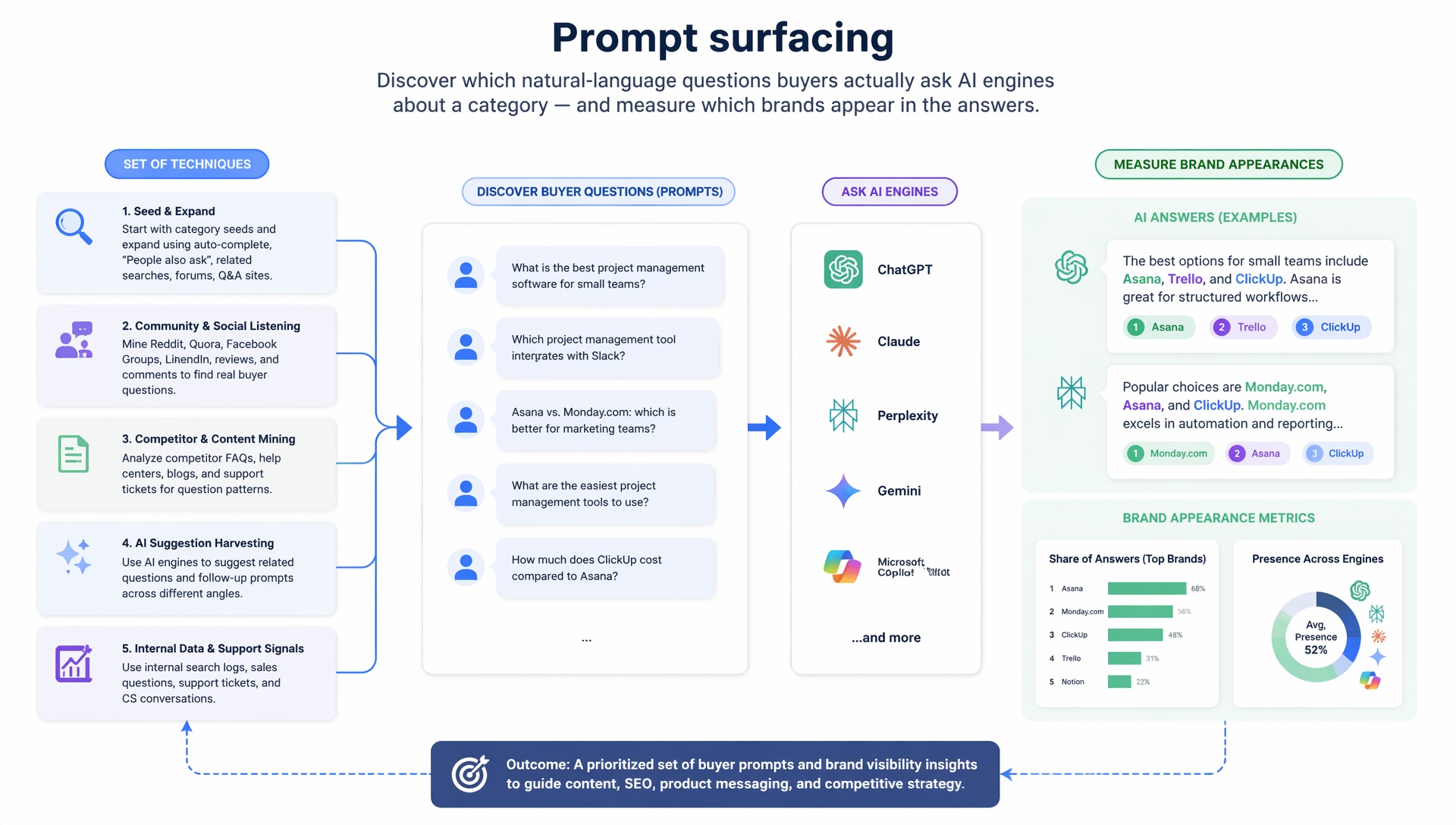
Prompt surfacing is the set of techniques for discovering which natural-language questions buyers actually ask AI…
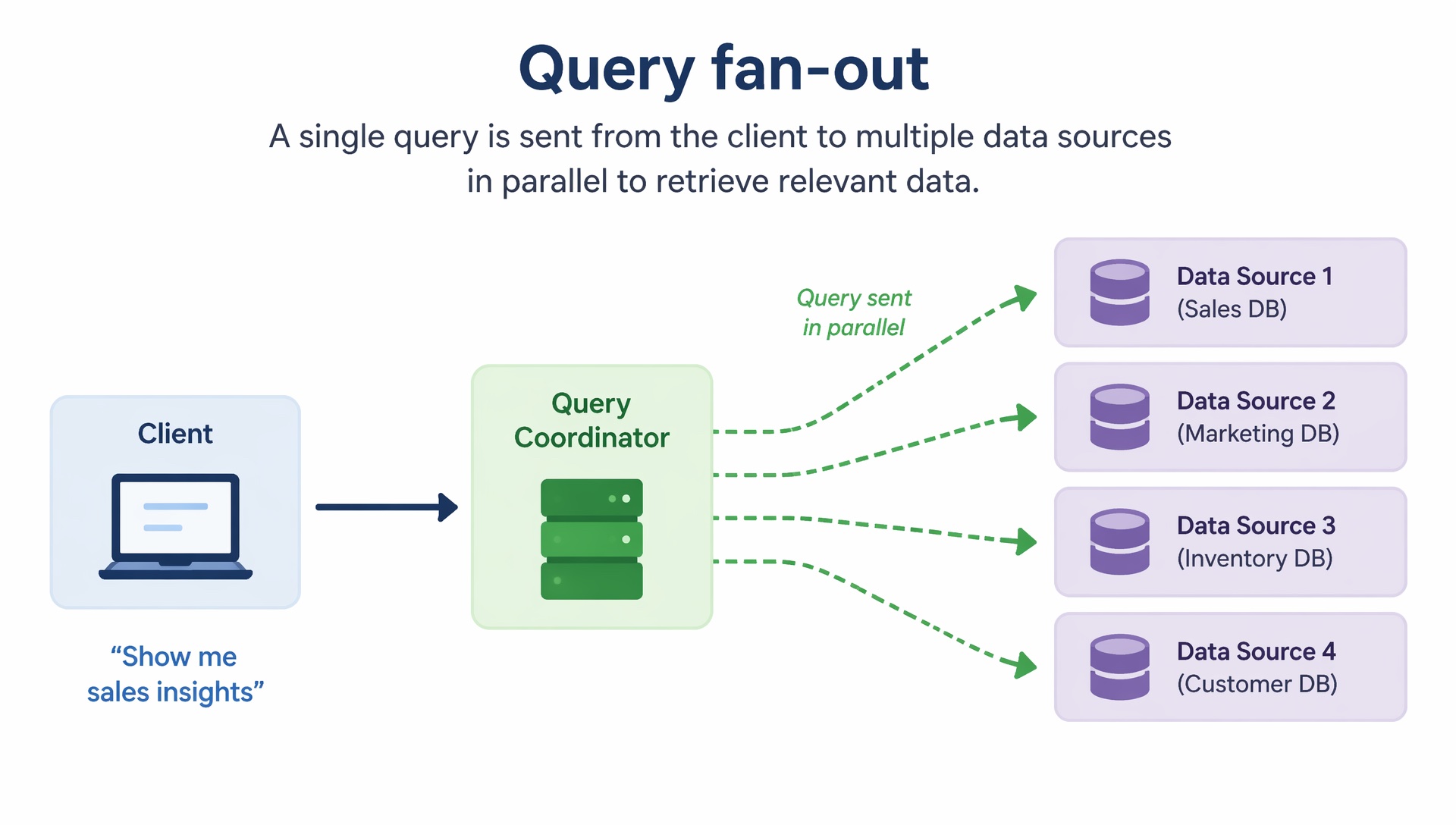
Query fan-out is when a search or AI system decomposes one user prompt into multiple sub-queries, retrieves results for…
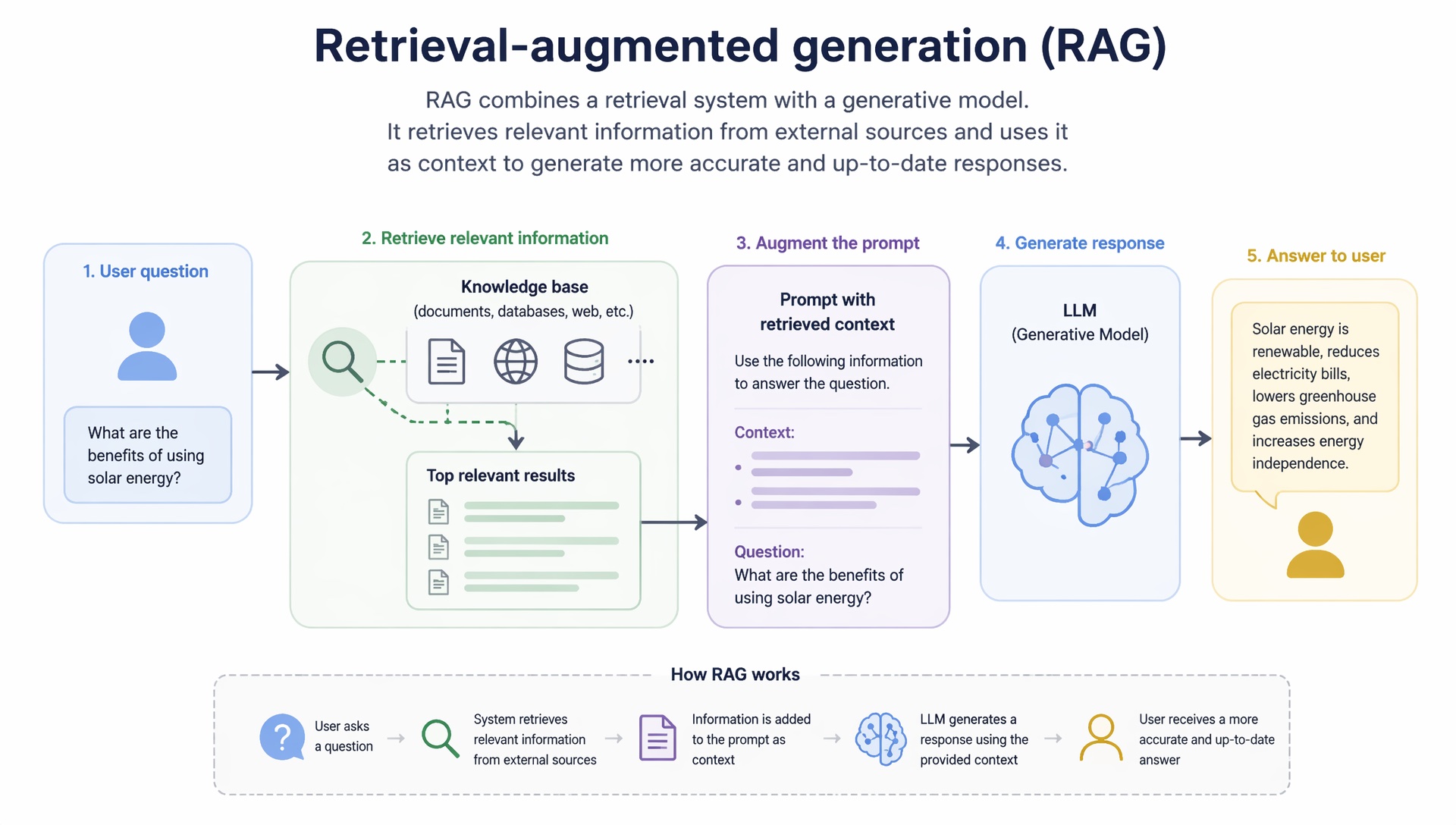
Retrieval-augmented generation (RAG) is an architecture where an LLM fetches relevant documents or URLs before…
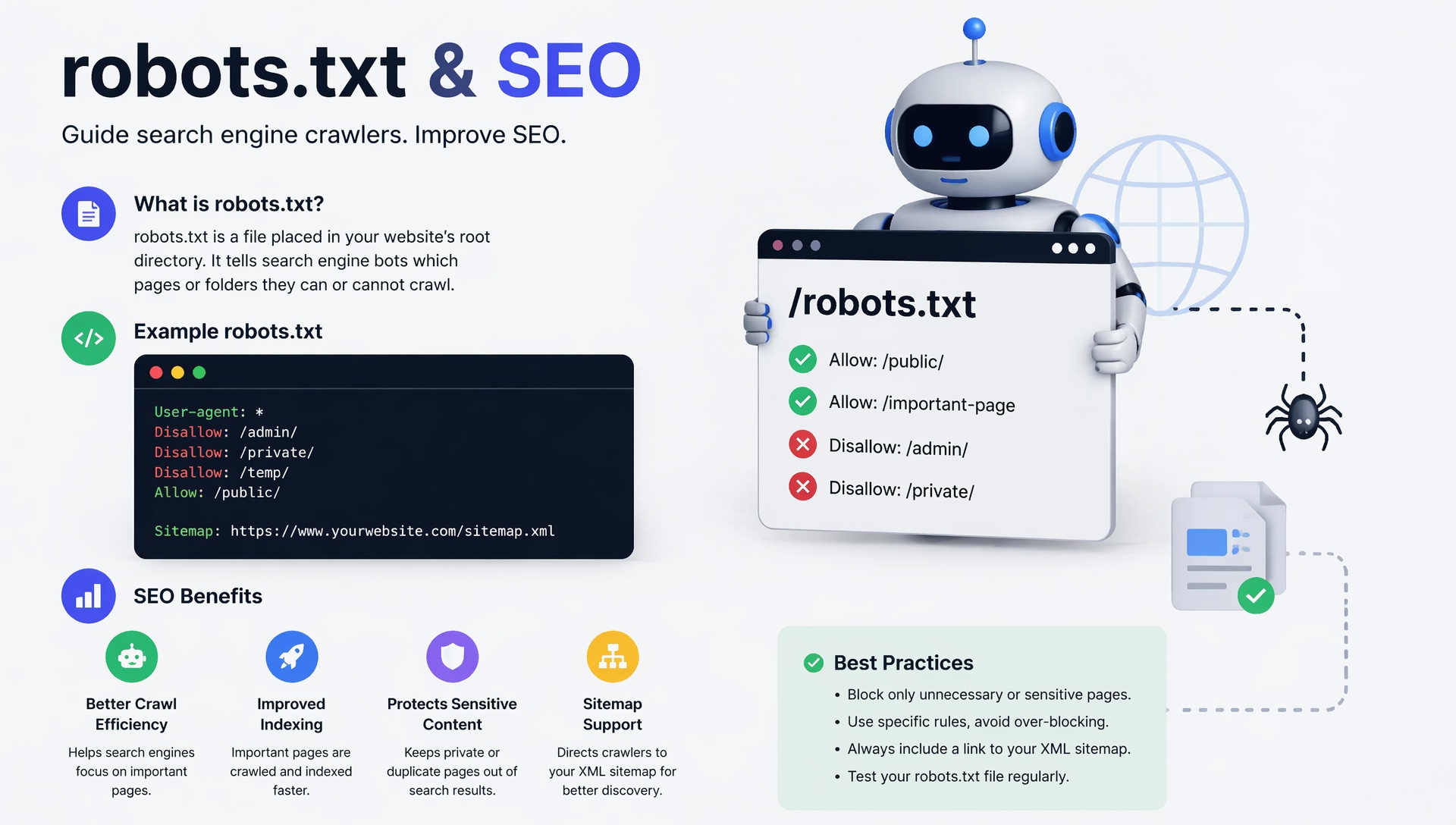
Robots.txt is a root-level text file (robots.txt) that tells compliant crawlers which paths they may or may not fetch.…
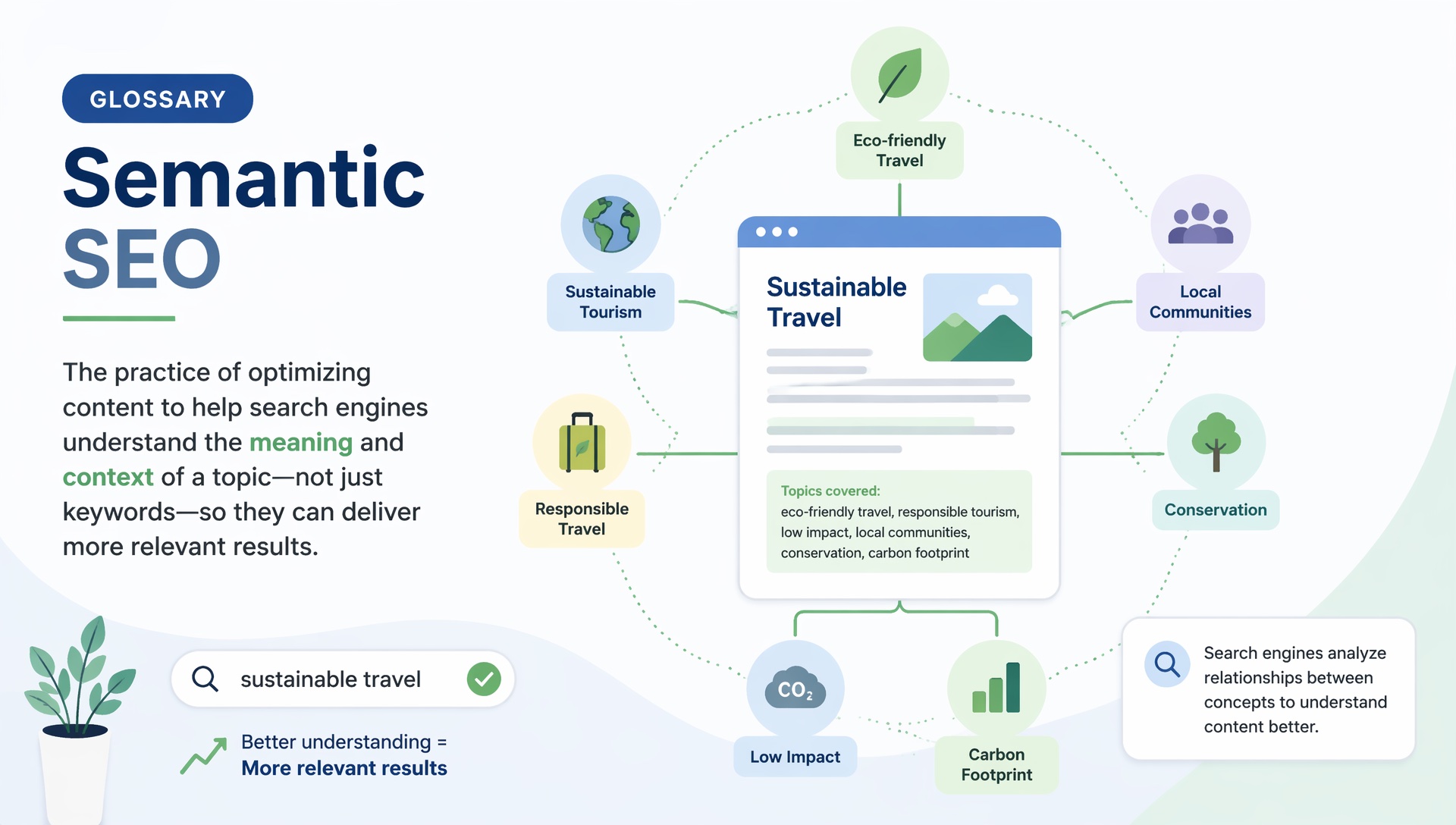
Semantic SEO is the practice of optimizing content for meaning, entities, and topical relationships — not keyword…
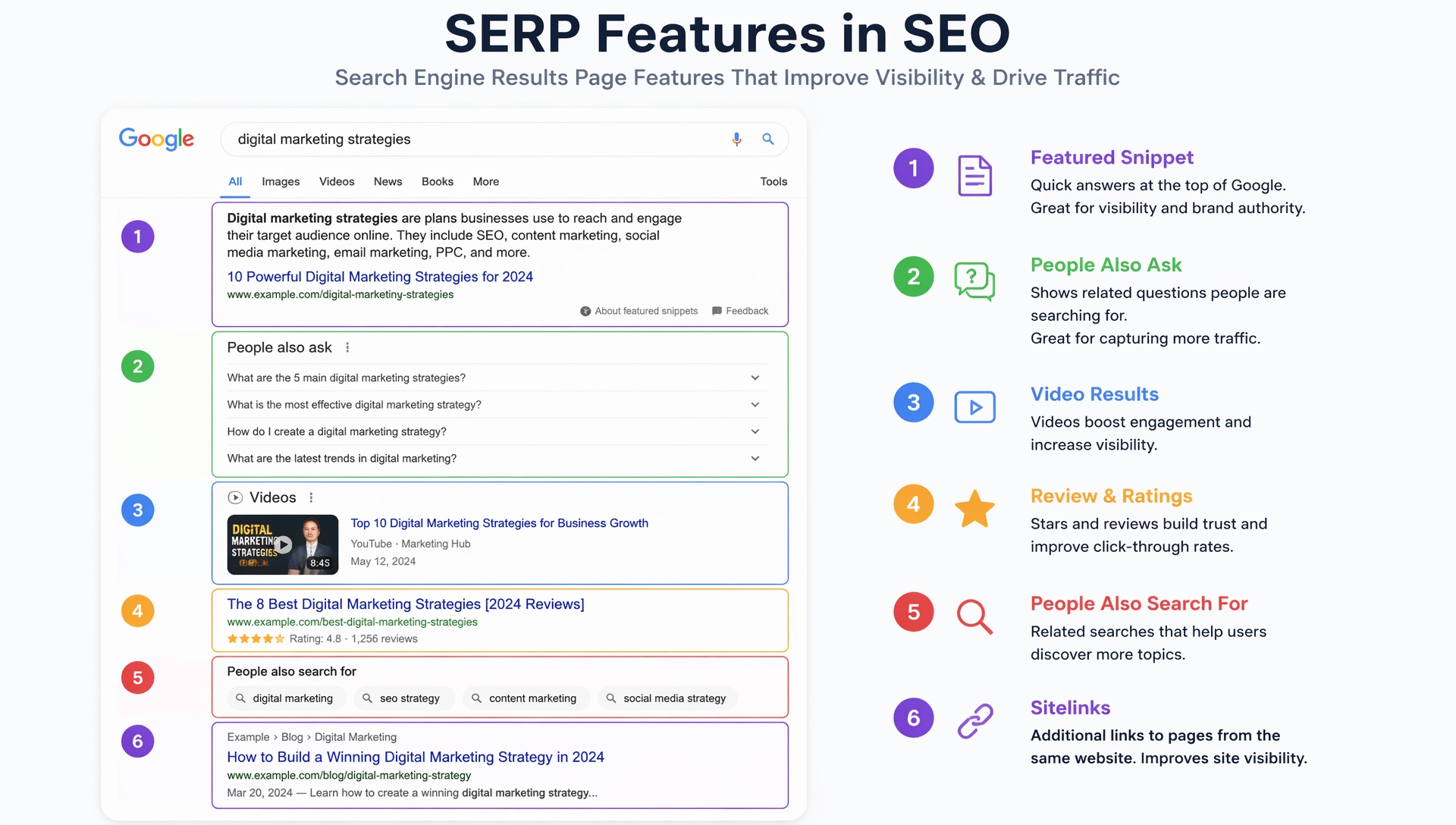
A SERP feature is any non-standard element on a search results page — featured snippets, People Also Ask, knowledge…
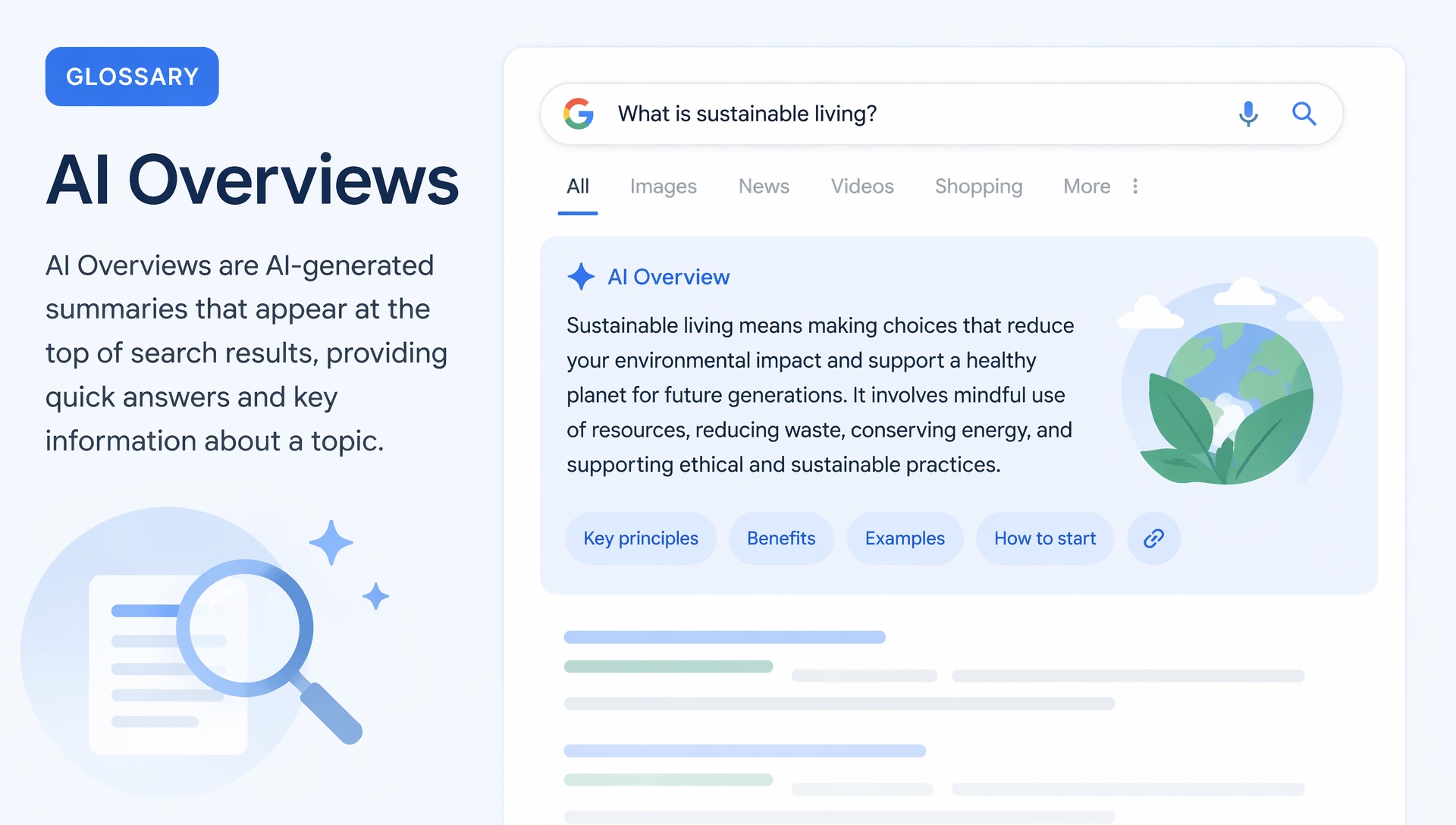
SGE (Search Generative Experience) was Google's experimental label for AI-generated summaries in Search; the shipped…
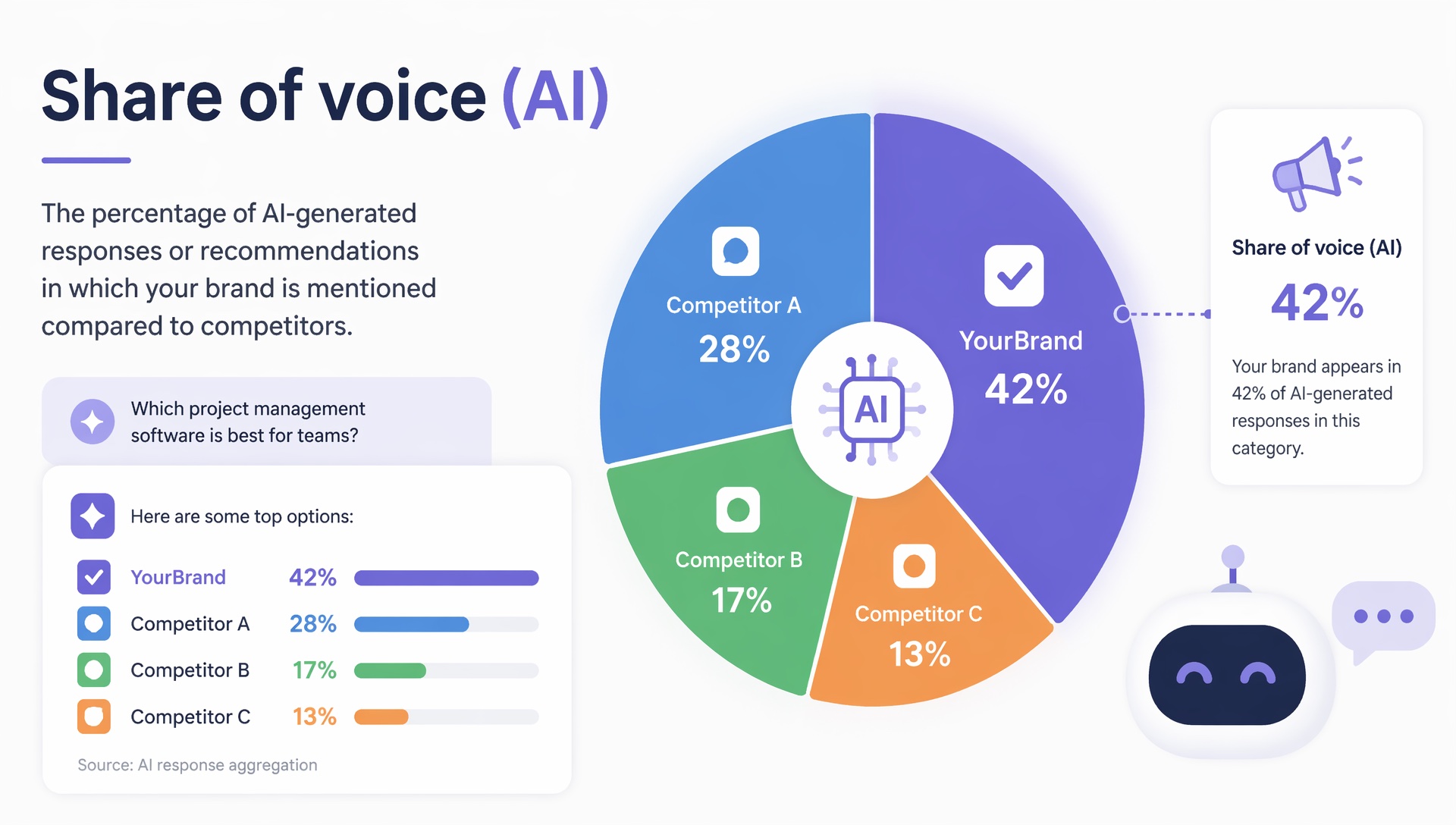
Share of voice in AI search is the proportion of brand mentions a company captures within AI-generated answers for a…
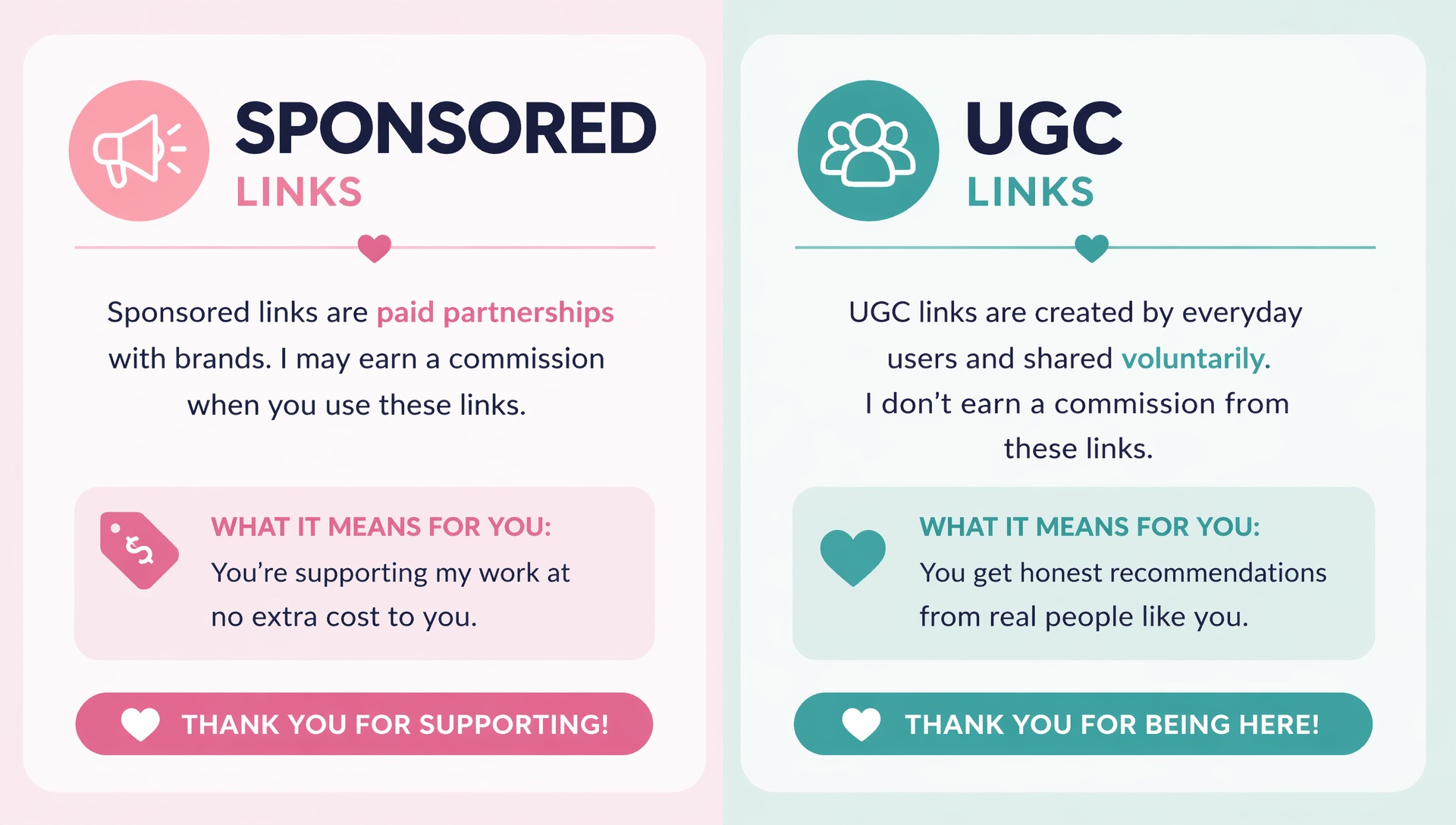
Sponsored and UGC links are hyperlinks qualified with rel="sponsored" (paid or compensated) or rel="ugc"…
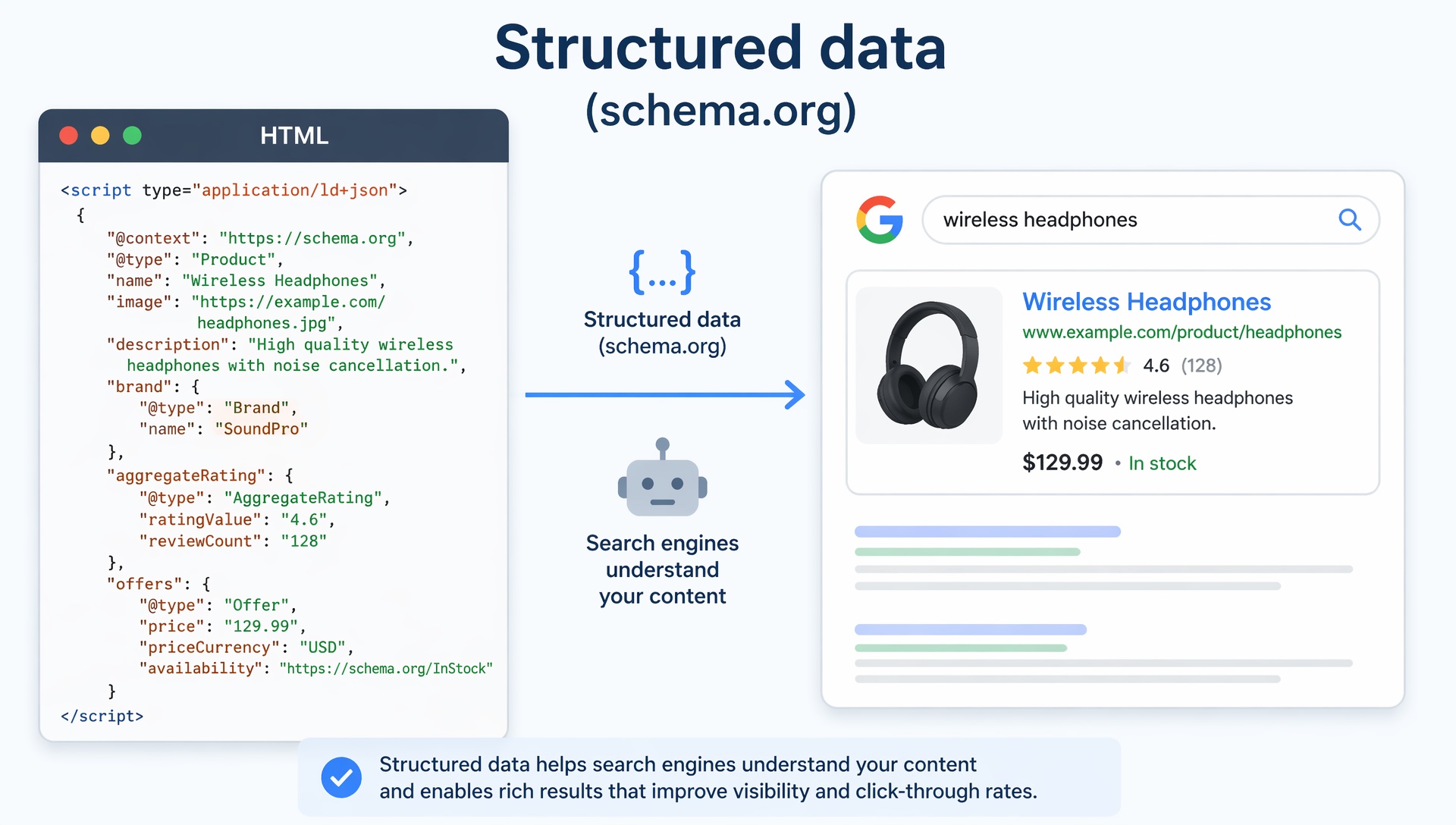
Structured data is machine-readable markup — typically JSON-LD using schema.org vocabulary — embedded in HTML so search…
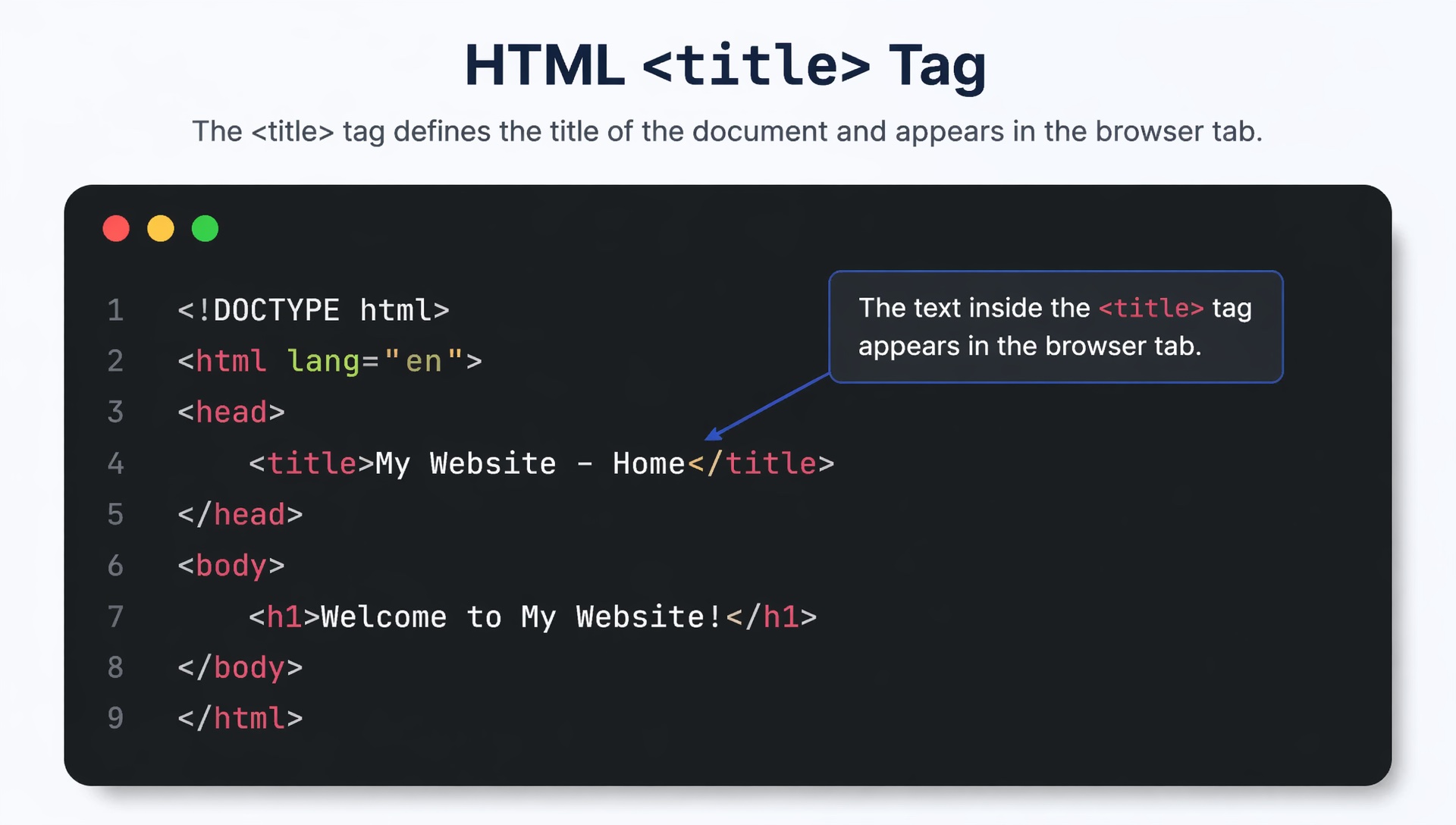
A title tag (<title>) is the HTML element naming a page; search engines use it as the primary clickable headline in…
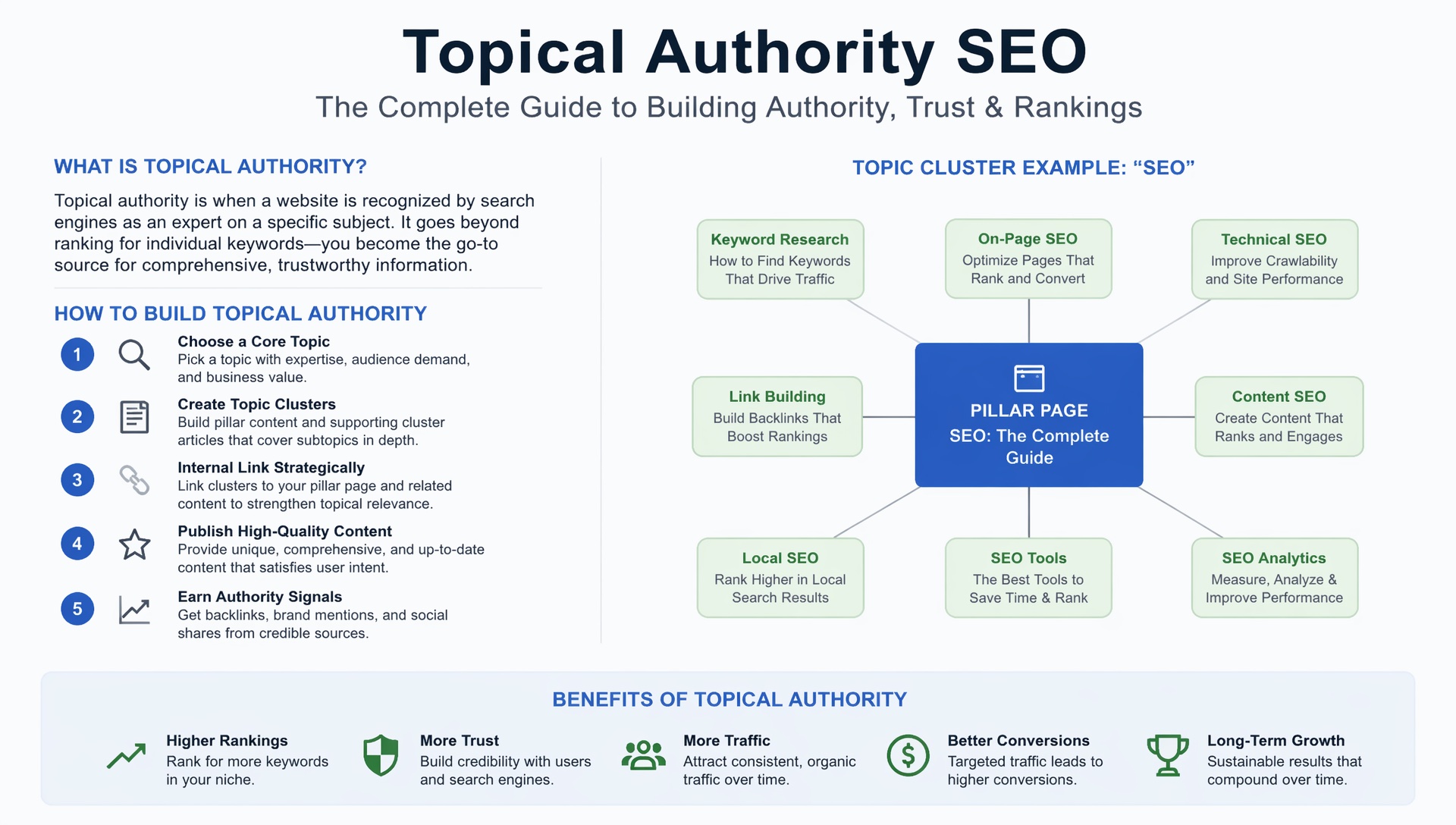
Topical authority is the perceived depth and breadth of a site's expertise on a subject — built through comprehensive…
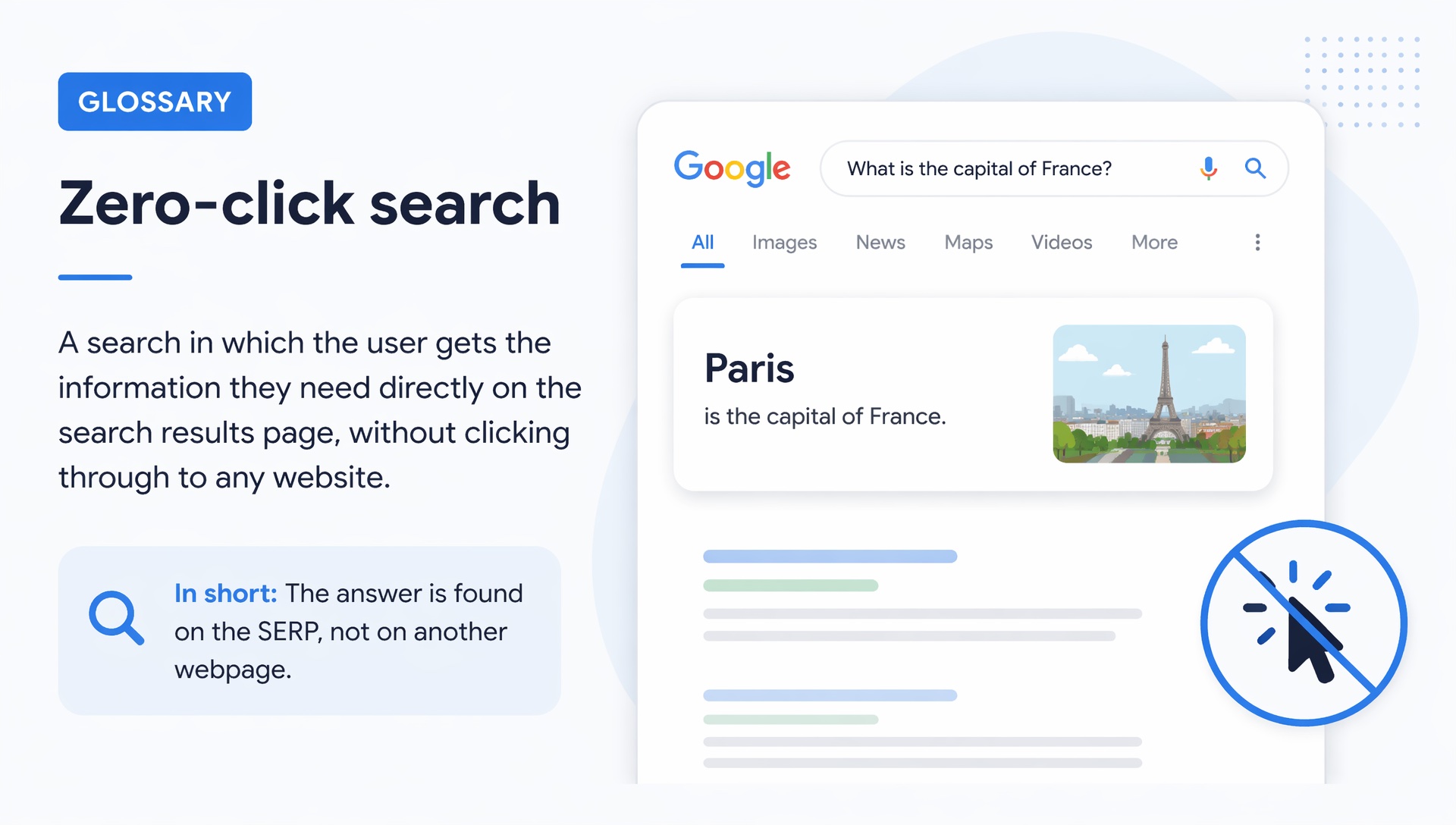
Zero-click search is when a user's query is satisfied on the results page or inside a generated answer without clicking…
Other tools tell you you’re losing AI search. Quratic helps you win it — track, diagnose, brief, and draft content your team reviews and approves before it publishes.
30-day free trial · No credit card · You approve every draft