Sponsored and UGC links
Updated June 22, 2026 · Reviewed by the Quratic editorial team
Definition
Sponsored and UGC links are hyperlinks qualified with rel="sponsored" (paid or compensated) or rel="ugc" (user-generated content). Introduced alongside evolved nofollow rules in 2019, they let publishers label link types explicitly instead of using nofollow alone for every non-editorial link.
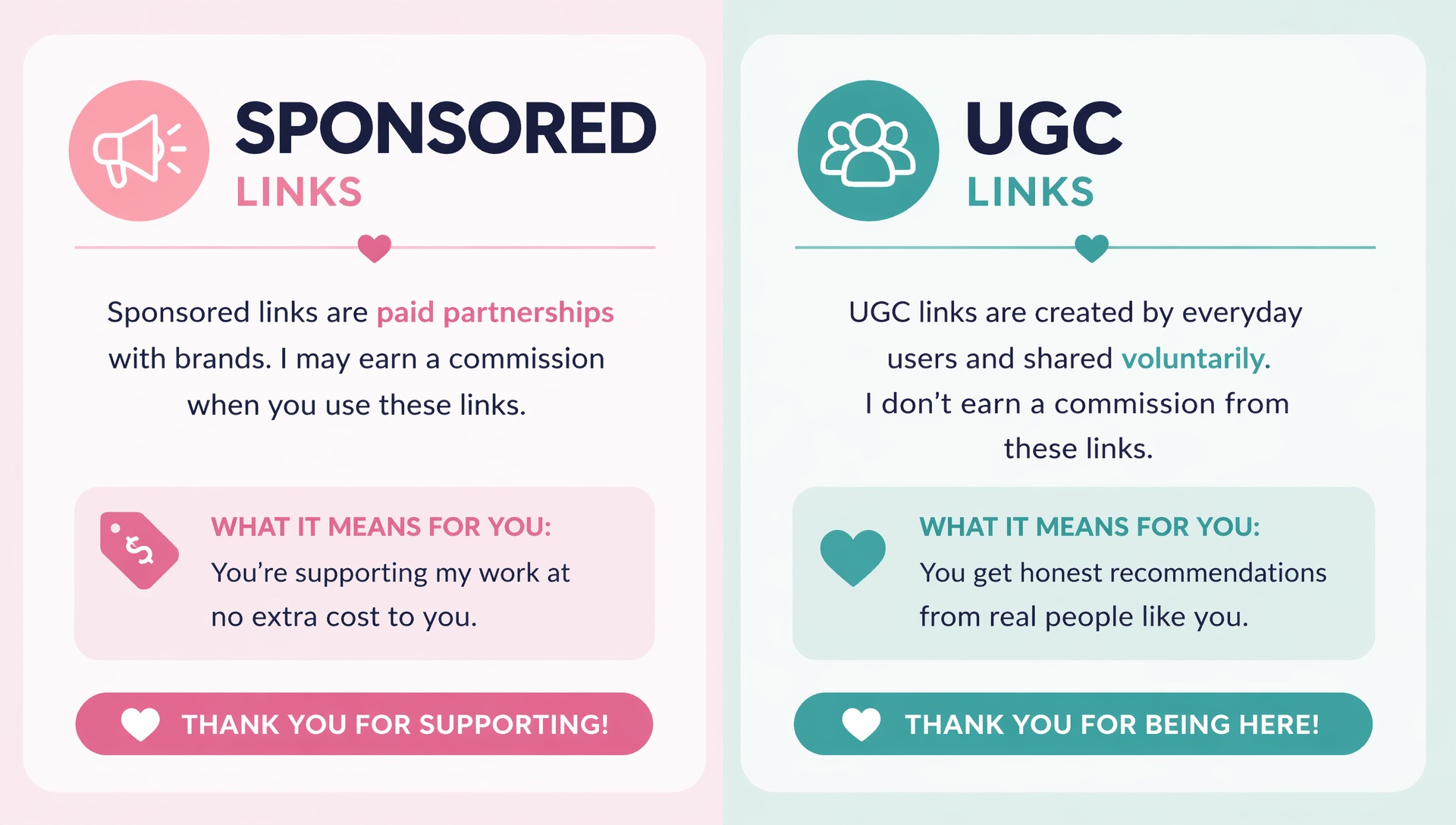
Completing the link-qualification set
Google recognizes three qualification values (combinable):
rel="nofollow"— not an editorial endorsementrel="sponsored"— paid, affiliate, or compensatedrel="ugc"— comments, forums, reviews, user profiles
Example: <a href="..." rel="nofollow sponsored"> for a paid guest post. Correct labeling reduces manual action risk and clarifies which links should not influence rank.
How sponsored/UGC differs from nofollow alone
Before 2019, publishers used nofollow for everything non-editorial. Sponsored and UGC provide granular semantics — Google can treat UGC forum links differently from paid widgets. All remain hints, not hard blocks, since 2019. For GEO, disclosure labels do not prevent a page from entering AI retrieval; content quality and mention context still matter.
In Asian markets
Affiliate and KOL (influencer) campaigns in Southeast Asia often omit rel=“sponsored” — regulatory and platform rules vary by country. Compliance plus SEO hygiene: tag paid links, keep editorial digital PR separate from sponsored placements, and document which mentions are paid vs earned for E-E-A-T transparency.
Example
A review site tags brand-provided discount codes with rel="sponsored" but leaves organic editorial picks unqualified (dofollow). Google distinguishes paid vs earned; AI engines may still cite the article for comparison prompts if overall trust is high.